
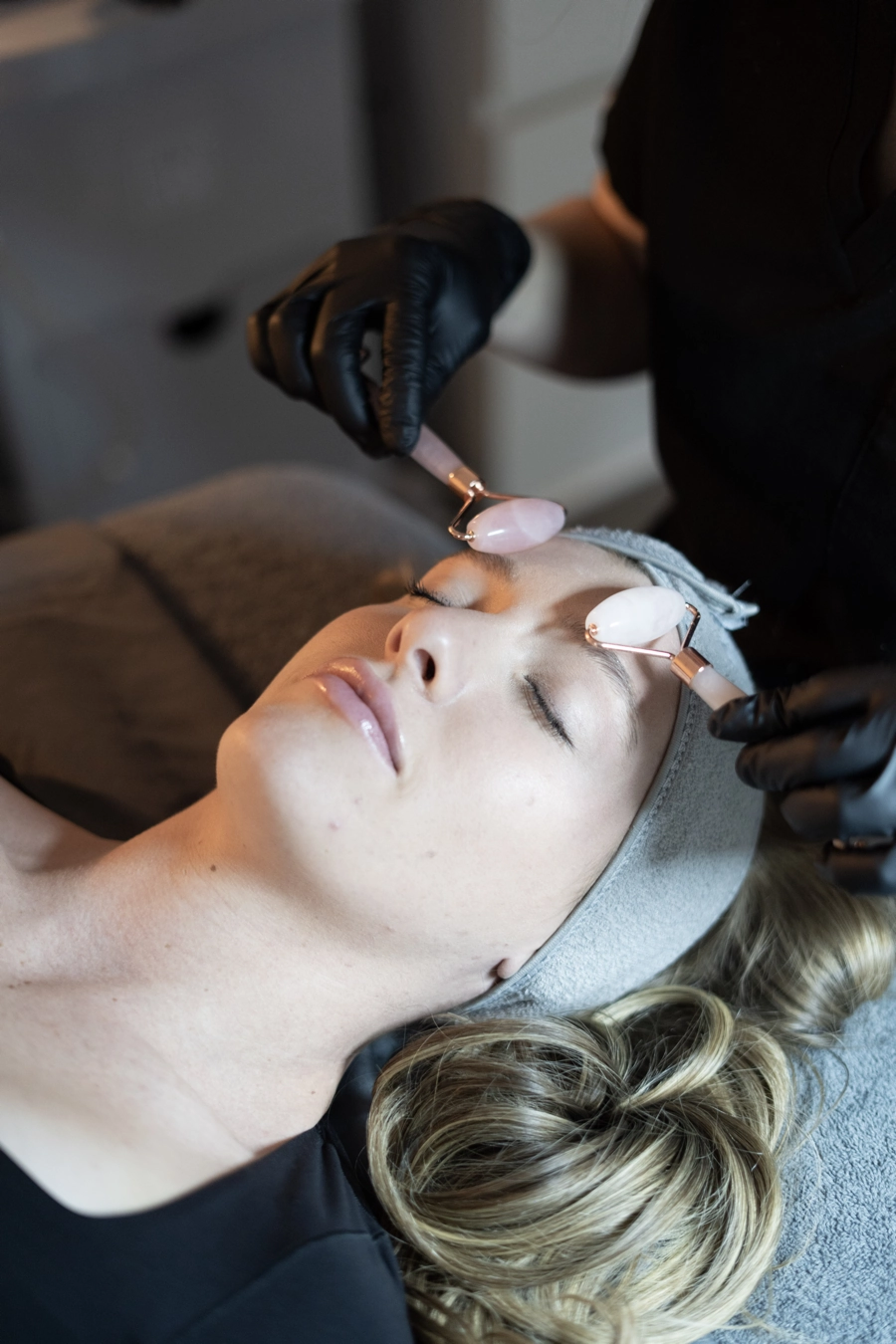
Glowy skin goals are great, but choosing the right treatment can get confusing fast. When it comes to microneedling vs. chemical peels, both options can improve your skin, but they work in very different ways. One focuses on boosting collagen and texture, while the other helps resurface the skin and target tone concerns.
Knowing the difference can save you time, money, and frustration. If you have been curious about microneedling benefits or are considering microneedling in Fort Mill, SC, this guide will help you understand which treatment may be the better match for your skin goals and overall needs.
Trying to decide whether microneedling fits your skin goals?
Explore personalized microneedling treatments in Fort Mill and learn how Forever Young Aesthetics tailors each treatment plan to individual skin concerns.
Is Microneedling Better Than a Chemical Peel?
When comparing microneedling vs. chemical peels, the answer depends on your specific skin concerns and the results you are hoping to achieve. Both treatments can support skin rejuvenation, but they work in different ways.
Microneedling: This treatment involves using fine needles to create controlled microchannels in the skin, encouraging the body’s natural healing response and collagen production. It can be effective for improving fine lines, acne scars, and uneven skin texture.
Chemical Peels: Chemical peels involve applying a solution to the skin that exfoliates the outer layers, revealing fresher-looking skin underneath. Chemical peels may be helpful for addressing pigmentation, sun damage, and uneven skin tone.
The choice between microneedling and chemical peels comes down to what you are treating. Microneedling is often favored for scars, fine lines, and general skin texture, while chemical peels may be more appropriate for pigmentation and surface discoloration.
If you are looking for a treatment that supports collagen production and improves overall texture, microneedling may be the better option. On the other hand, if you are focused on refreshing the skin’s surface and improving uneven pigmentation, a chemical peel may be more suitable.
What Is the Difference Between Microneedling and Chemical Peels?
The main difference between microneedling and chemical peels lies in how the treatments work and what they are designed to address.
Microneedling: This treatment works by creating controlled micro-injuries in the skin using tiny needles. This triggers the body’s natural healing process, supporting collagen and elastin production. It may help reduce the appearance of scars, stretch marks, fine lines, and uneven texture.
Chemical Peels: A chemical peel uses a carefully selected solution to exfoliate the outer layers of skin, removing dead skin cells and encouraging new skin to appear. The intensity can vary depending on the type of peel used, with deeper peels generally requiring more recovery time. Chemical peels are often used for concerns such as hyperpigmentation, acne, and sun damage.
In short, microneedling works below the skin’s surface to encourage renewal, while chemical peels exfoliate the surface to improve tone and texture. Both can support skin rejuvenation, but they approach it differently.
Which Is Better for Acne Scars: Microneedling or a Peel?
When it comes to acne scars, both treatments may help, but microneedling is often recommended for textural scarring.
Microneedling: This treatment can be effective for acne scars because it targets deeper layers of the skin. By creating controlled micro-injuries, microneedling encourages collagen and elastin production, which may help soften the appearance of rolling and boxcar scars over time.
Chemical Peels: Chemical peels may help improve surface texture and reduce post-inflammatory hyperpigmentation left behind by acne. They are generally better suited for discoloration and more superficial concerns than deeper, indented scars.
For deeper acne scars or more noticeable textural concerns, microneedling may provide greater improvement. For surface-level discoloration, a chemical peel may be helpful.
A consultation for professional microneedling care can help determine whether the treatment is appropriate for your type of acne scarring.
How Many Sessions Do You Need for Microneedling?
The number of microneedling sessions you need will depend on your skin concerns and the severity of the issues being treated. Many patients undergo three to six sessions, which are commonly spaced four to six weeks apart to allow the skin time to heal.
Mild Concerns: For concerns such as fine lines or minor texture irregularities, you may notice visible improvement after one treatment. However, a series of sessions is often recommended for more noticeable and longer-lasting improvement.
Acne Scars or Deeper Concerns: If you are addressing acne scars, deeper wrinkles, or significant textural changes, you may need several sessions. Improvements generally develop gradually as collagen production continues.
The benefits of microneedling tend to build over time as the skin repairs itself. Your provider can recommend a treatment schedule based on your concerns, skin condition, and response to previous sessions.
Related Services
Patients considering microneedling may also be interested in:
- Customized microneedling treatments
- Chemical peels
- Laser skin treatments
- Facial rejuvenation services
Do Chemical Peels Damage Your Skin?
Chemical peels are generally considered safe when performed by a qualified professional. However, like any cosmetic treatment, they can cause irritation or complications if the wrong strength is used or the treatment is performed too frequently.
Superficial Peels: Light chemical peels are designed to exfoliate the outermost layer of the skin. They usually require minimal recovery time and may be suitable for concerns such as mild discoloration or roughness.
Medium and Deep Peels: Stronger peels penetrate farther into the skin and require more recovery time. If they are not performed correctly or are used too frequently, they may cause prolonged irritation, changes in pigmentation, or scarring.
Side Effects: Common effects may include redness, peeling, dryness, and sensitivity. Deeper peels can result in more noticeable and longer-lasting side effects.
When performed by an experienced professional, chemical peels can be safe and effective. It is important to follow all aftercare instructions and avoid unnecessary sun exposure while the skin heals.
If you want more insight into timing and skin response, your skin has a calendar when it comes to peels and seasons, especially if you are planning treatment around weather, sun exposure, or an upcoming event.
Can You Combine Microneedling and Chemical Peels?
Microneedling and chemical peels may be included in the same overall skincare plan, but the timing and strength of each treatment should be carefully considered.
Combining Treatments: Microneedling can support collagen production, while chemical peels exfoliate the skin’s surface. When used appropriately, they may address a wider range of concerns, including texture, scars, pigmentation, and dullness.
Timing: In many cases, treatments are scheduled on separate dates to give the skin enough time to heal. A provider may recommend microneedling during one appointment and a chemical peel several weeks later.
Performing both treatments too close together may increase irritation or sensitivity. Consult with your skincare professional to make sure the treatments are appropriate for your skin type and are scheduled safely.
Which Treatment Has Less Downtime?
When comparing microneedling and chemical peels, downtime is an important factor to consider.
Microneedling: After microneedling, you may experience redness, mild swelling, and skin sensitivity similar to a sunburn. These effects often improve within 24 to 72 hours, although recovery time can vary depending on treatment depth.
Chemical Peels: Downtime depends heavily on the strength of the peel. Superficial peels may cause mild redness and flaking for several days, while medium or deep peels can require one to two weeks or longer for the skin to heal.
In general, microneedling may involve less downtime than a medium or deep chemical peel. However, a light peel may have a similar or even shorter recovery period. Your schedule, skin sensitivity, and treatment goals can help determine which option is more appropriate.
Conclusion
Both microneedling and chemical peels can improve the appearance of the skin. Choosing between them depends on your specific concerns, goals, skin type, and the amount of downtime you are willing to tolerate.
For collagen support and textural concerns, microneedling may be a suitable option. Chemical peels may be more appropriate for surface-level concerns such as pigmentation, sun damage, and uneven tone.
In some cases, both treatments may be included in a carefully planned skincare routine, provided they are appropriately spaced and recommended by a qualified professional.
Find the Right Treatment for Your Skin
At Forever Young Aesthetics, we offer microneedling and chemical peel treatments designed around each patient’s individual skin concerns. Our experienced team can assess your skin, discuss your goals, and recommend an appropriate treatment plan.
Learn more about our microneedling services in Fort Mill, SC or schedule a consultation to find out whether microneedling, a chemical peel, or a combination of treatments may be right for you.