
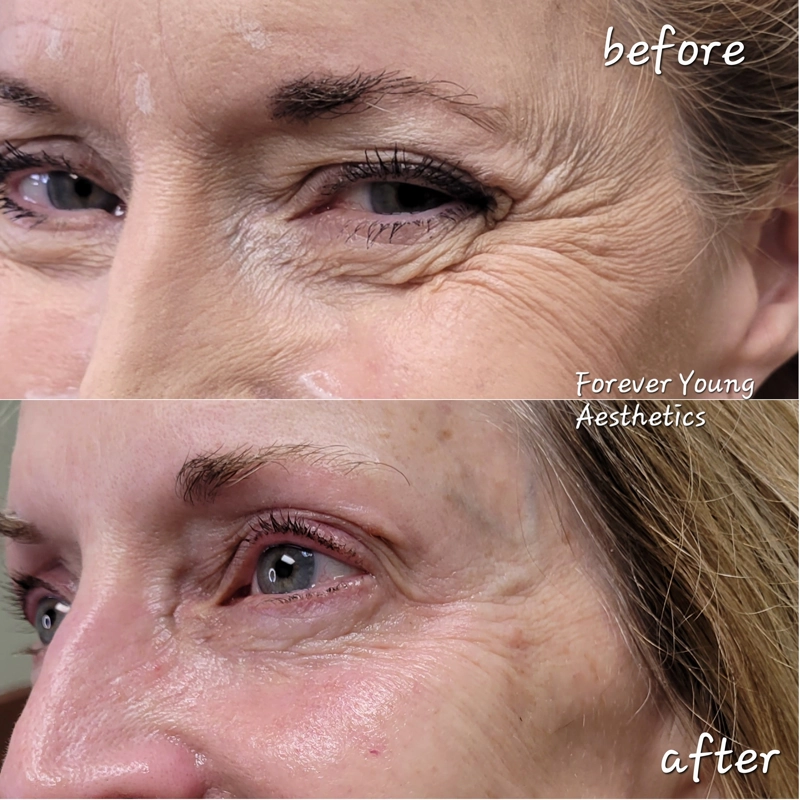
You can invest in quality skincare products, follow a consistent routine, and schedule regular facial treatments. But if you’re not getting enough sleep, your skin may still look tired, dry, or dull.
Sleep plays an important role in how your body maintains and repairs the skin. Poor sleep can affect hydration, barrier function, inflammation, and how noticeable fine lines appear. While getting more rest won’t stop the natural aging process, healthy sleep habits can support your skin’s overall condition.
Here’s what you should know about the connection between sleep and skin aging, along with practical ways to care for your skin.
Quick Answer: How Does Sleep Affect Skin Aging?
Sleep affects skin aging by supporting normal skin repair, moisture balance, and processes involved in maintaining a healthy skin barrier. Poor sleep quality has been associated with increased water loss, reduced skin recovery, and more visible signs of aging. Consistent, sufficient sleep can help support healthier-looking skin, although it cannot reverse wrinkles or prevent natural aging.
What Happens to Your Skin While You Sleep?
Your skin remains active while you sleep. Throughout the day and night, it continuously renews cells, maintains its protective barrier, and responds to environmental damage.
These processes are influenced by your body’s circadian rhythm, the internal biological clock that helps regulate sleep, hormones, and other functions.
Skin repair and renewal
Your skin experiences everyday stress from sunlight, pollution, temperature changes, and normal contact with the environment.
Cellular maintenance and repair processes continue throughout the day, but some follow daily biological rhythms.
Getting adequate sleep helps support the body’s normal regulatory systems, which are important for maintaining healthy skin.
Changes in hormone activity
Several hormones involved in growth, stress responses, and tissue maintenance follow sleep-related rhythms.
Growth hormone release is closely associated with deep sleep, while cortisol follows a daily pattern influenced by your sleep-wake cycle.
These hormones affect many tissues, including the skin.
However, skin repair does not occur exclusively while you’re sleeping. Your body continuously maintains the skin, and sleep is one part of that process.
Maintaining the skin barrier
Your skin barrier helps retain moisture while limiting exposure to irritants and other environmental factors.
Research suggests that poor sleep quality can interfere with how efficiently this barrier recovers after disruption.
This is one reason healthy sleep habits are considered an important part of overall skin wellness.
How Poor Sleep Can Affect Collagen and Skin Repair
Collagen is a structural protein that helps maintain skin firmness and strength.
As you age, natural changes in collagen production and organization contribute to fine lines, wrinkles, and reduced skin elasticity.
Sun exposure, smoking, and other environmental influences can also accelerate these changes.
Sleep may influence some of the biological processes involved in tissue maintenance.
Sleep supports normal recovery
Adequate sleep helps regulate hormones and cellular processes involved in maintaining healthy tissues.
When sleep is consistently disrupted, these systems may not function as efficiently.
Researchers have also observed associations between poor sleep and reduced skin barrier recovery.
A small study published in Clinical and Experimental Dermatology found that people with better sleep quality showed fewer signs of intrinsic skin aging and better recovery from certain forms of skin stress.
However, this does not establish that every night of poor sleep directly reduces collagen production.
Chronic sleep loss may matter more than one bad night
An occasional sleepless night may leave you looking tired the following morning.
Repeated sleep disruption is more concerning because it can affect several biological processes over time.
The relationship between sleep and collagen is still being studied, and researchers have not established a specific amount of collagen loss caused by insufficient sleep.
For maintaining skin firmness, sleep should be considered alongside daily sunscreen use, nutrition, and appropriate skincare.
Can Lack of Sleep Make Fine Lines More Noticeable?
Yes. Insufficient sleep can make certain signs of aging more noticeable, particularly when your skin becomes dehydrated or looks less refreshed.
This does not necessarily mean new wrinkles form overnight.
Instead, temporary changes in skin hydration and appearance may make existing lines easier to see.
Dehydration can emphasize fine lines
When the skin has less moisture, its surface may look less smooth.
Fine lines around the eyes, forehead, and mouth can become more noticeable when the skin is dry.
Research involving short-term sleep restriction has found measurable reductions in skin hydration.
Restoring adequate sleep and maintaining a suitable moisturizing routine may improve the appearance of dryness-related lines.
Tiredness can change facial appearance
After a poor night’s sleep, you may notice:
- More noticeable under-eye shadows
- Puffiness around the eyes
- A duller-looking complexion
- Increased visibility of existing fine lines
- Skin that appears less refreshed
These changes can result from several factors, including sleep disruption, hydration, and individual differences.
Not everyone experiences them in the same way.
Sleep cannot erase established wrinkles
Wrinkles develop through a combination of natural aging, facial movement, collagen changes, and environmental exposure.
Better sleep may support skin health and improve temporary signs of tiredness, but it cannot reliably remove established wrinkles.
How Sleep Affects Skin Hydration and Barrier Function
The skin barrier is the outer protective layer that helps prevent excessive moisture loss.
When this barrier is functioning well, your skin is generally better able to retain hydration and tolerate everyday environmental exposure.
Poor sleep may interfere with these functions.
Increased moisture loss
Researchers often measure skin barrier function using transepidermal water loss, or TEWL.
This measures how much water escapes through the skin.
Higher water loss can indicate that the barrier is not retaining moisture as effectively.
In a study involving 60 women, researchers found that participants with poor sleep quality had greater water loss and slower skin barrier recovery than those who slept well.
These findings suggest a connection between consistent sleep quality and the skin’s ability to maintain its protective function.
Dryness and sensitivity
When skin loses moisture more easily, you may experience:
- Tightness after washing
- Rough or flaky areas
- More noticeable fine lines
- Increased sensitivity to certain skincare products
- A complexion that appears less smooth
However, dry or sensitive skin can have many causes, including weather, skincare ingredients, and underlying skin conditions.
Poor sleep should not automatically be assumed to be the cause.
Supporting hydration overnight
A gentle nighttime skincare routine can complement healthy sleep habits.
Consider using a mild cleanser followed by a moisturizer suited to your skin type.
Moisturizers containing ingredients such as glycerin, ceramides, or hyaluronic acid may help support hydration and barrier function.
Avoid overusing strong exfoliating products, especially when your skin already feels dry or irritated.
Can Poor Sleep Increase Inflammation and Dullness?
Sleep and inflammation are closely connected.
Your immune system uses inflammatory responses to protect the body and respond to injury or irritation.
However, persistently elevated inflammation can interfere with normal tissue function.
Research suggests that repeated sleep restriction can influence certain inflammatory markers in the body.
Sleep disruption and inflammation
A 2026 meta-analysis examining experimental sleep deprivation found that multiple nights of restricted sleep were associated with increases in certain blood markers of inflammation.
These findings support the idea that ongoing sleep loss can affect immune regulation.
However, changes in blood inflammatory markers do not necessarily mean a person will develop visible facial redness or accelerated skin aging.
The relationship between sleep and skin inflammation is complex.
Why skin may look dull after poor sleep
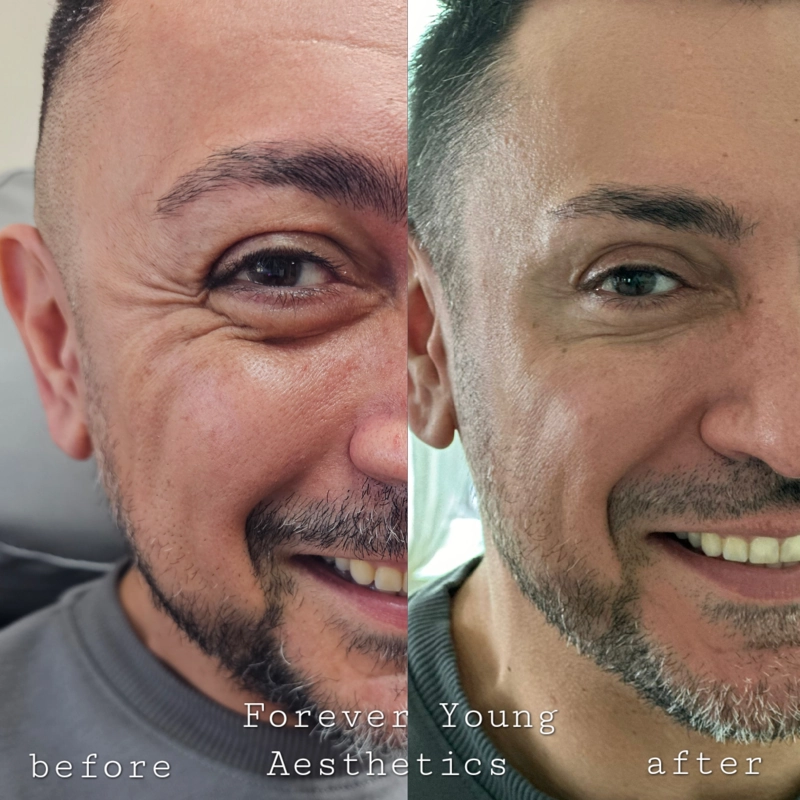
One study involving 24 women found that two nights of substantial sleep restriction were associated with reduced skin hydration and measurable changes in facial brightness.
This helps explain why your skin may appear less radiant after repeated short nights.
Still, dullness can also result from dead skin buildup, dryness, sun damage, and other factors.
Sleep and inflammatory skin conditions
Sleep problems can also occur alongside conditions such as eczema and psoriasis.
These relationships can work in both directions.
For example, itching can disrupt sleep, while poor sleep may influence inflammatory regulation and symptom severity.
If you experience persistent redness, irritation, itching, or unexplained skin changes, consult a qualified healthcare professional rather than assuming better sleep alone will resolve the problem.
Does Sleeping Position Affect Facial Lines?
Your sleeping position may influence certain facial lines because of repeated pressure against pillows and bedding.
When you sleep on your side or stomach, parts of your face may become compressed.
This can create temporary creases that are sometimes visible when you wake up.
What are sleep lines?
Sleep lines are creases associated with pressure and mechanical distortion of the skin during sleep.
They differ from expression lines, which develop partly through repeated facial muscle movements.
Some dermatology research suggests that repeated facial compression may contribute to certain lasting wrinkles over time.
However, the evidence is limited, and sleeping position is only one possible factor in facial aging.
Is sleeping on your back better?
Back sleeping generally places less direct pressure on the face than side or stomach sleeping.
If you naturally find this position comfortable, it may reduce facial compression.
However, you should not sacrifice sleep quality simply to maintain a particular position.
For some people, especially those with certain breathing or sleep-related conditions, sleeping on the back may not be appropriate.
Do special pillowcases prevent wrinkles?
Silk or satin pillowcases may reduce friction compared with some fabrics, but there is limited evidence that they prevent long-term facial wrinkles.
Choose bedding that feels comfortable and does not irritate your skin.
Getting consistent, restorative sleep is more important than purchasing expensive products marketed specifically for preventing sleep lines.
How Much Sleep Supports Healthy-Looking Skin?
Most adults should aim for approximately seven to nine hours of sleep per night, although individual needs vary.
The Centers for Disease Control and Prevention recommends at least seven hours for adults ages 18 to 60, with age-specific recommendations for older adults.
However, the amount of time spent in bed is not the only consideration.
Sleep quality also matters.
Quality matters alongside duration
You might spend eight hours in bed but still feel exhausted if your sleep is frequently interrupted.
Healthy sleep generally involves getting sufficient rest, maintaining a relatively consistent schedule, and sleeping without excessive disruption.
For skin health, there is no scientifically established number of hours that guarantees fewer wrinkles or a more youthful appearance.
Consistency supports overall wellness
Regular sleep habits help maintain your body’s natural sleep-wake rhythm.
Instead of trying to compensate for repeated short nights with one long sleep session, aim for a routine that allows enough rest most nights.
If you frequently struggle to fall asleep, wake repeatedly, or feel unusually tired despite adequate time in bed, speak with a healthcare professional.
Persistent sleep difficulties may need more than changes to your bedtime routine.
Skin-Friendly Sleep Habits to Consider
You don’t need an elaborate nighttime routine to support healthy skin.
A few consistent habits can help you sleep more comfortably while protecting your skin.
1. Keep a regular sleep schedule
Try to go to bed and wake up around the same time each day.
Consistency helps support your natural circadian rhythm.
2. Create a comfortable sleeping environment
A cool, dark, quiet bedroom can make it easier to fall asleep and stay asleep.
Choose bedding that feels comfortable and does not irritate your skin.
3. Follow a gentle nighttime skincare routine
Remove makeup, sunscreen, and accumulated dirt before going to bed.
Use a gentle cleanser and moisturizer suited to your skin type.
Avoid introducing multiple strong skincare ingredients at once, particularly if your skin is already sensitive.
4. Limit habits that disrupt sleep
Caffeine late in the day, alcohol close to bedtime, and irregular sleep schedules can interfere with rest.
Reducing these disruptions may help improve sleep quality.
5. Protect your skin during the day
Sleep is only one part of skin aging prevention.
Daily sun protection is especially important because ultraviolet exposure contributes to premature wrinkles, uneven pigmentation, and collagen damage.
Choose a broad-spectrum sunscreen with SPF 30 or higher and use it as directed.
6. Support your overall health
Regular physical activity, balanced nutrition, and adequate fluid intake support general wellness.
You do not need expensive supplements or complicated nighttime products to benefit from healthy routines.
Consistency with basic care is often more useful than frequently changing your skincare products.
When Professional Skin Treatments May Help
Better sleep can support your skin’s natural functions, but it cannot address every cosmetic concern.
You may still notice fine lines, uneven texture, pigmentation, or dryness despite following healthy sleep and skincare routines.
Professional skin treatments can help address certain concerns, depending on your skin type, goals, and medical history.
Facials for hydration and skin maintenance
Customized facials may help improve the temporary appearance of dryness, dullness, and surface buildup.
Depending on the treatment, they may include gentle cleansing, exfoliation, and moisturizing products.
However, facials do not correct insufficient sleep or reverse the biological aging process.
Microneedling for texture and fine lines
Microneedling creates controlled micro-injuries that stimulate the skin’s wound-healing response.
Under appropriate professional care, it may improve the appearance of certain fine lines, acne scars, and uneven texture over time.
Treatment suitability depends on your skin condition and individual circumstances.
Chemical peels for surface concerns
Chemical peels use selected exfoliating agents to improve certain concerns, such as uneven pigmentation, rough texture, and some superficial signs of aging.
The appropriate peel strength and recovery requirements depend on your skin type and treatment goals.
Other aesthetic treatments
Depending on your concerns, a qualified provider may discuss other options for skin texture, pigmentation, or visible wrinkles.
Professional treatments should complement healthy routines rather than replace sleep, sun protection, or appropriate daily skincare.
Before scheduling a procedure, discuss your skin sensitivity, existing conditions, medications, and expected recovery with your provider.
Skin and Wellness Care in Fort Mill
Healthy-looking skin is influenced by more than the products you apply.
Sleep habits, sun exposure, hydration, natural aging, and individual skin characteristics all contribute to how your complexion looks and feels.
For Fort Mill residents, a balanced approach to skincare can include healthy sleep routines, daily sun protection, and treatments selected for specific skin concerns.
For example, if your skin frequently looks dry or dull, improving your nighttime routine and reviewing your skincare products may be a good starting point.
If you continue to notice fine lines, uneven texture, or pigmentation concerns, a professional consultation can help identify suitable treatment options.
Support Your Skin Goals With Forever Young Aesthetics
At Forever Young Aesthetics, we help clients in Fort Mill, SC, and surrounding communities care for their skin through personalized aesthetic and skin treatments.
We understand that healthy-looking skin involves both everyday habits and appropriate professional care.
Our services include customized facials, microneedling, chemical peels, and other treatments designed to address concerns such as dryness, dullness, uneven texture, and visible signs of aging.
During your consultation, we discuss your skin concerns, review your goals, and recommend treatment options based on your individual needs.
Whether you want to refresh a tired-looking complexion or explore treatments for fine lines and texture, we can help you understand your options without making unrealistic promises.
Contact Forever Young Aesthetics in Fort Mill, SC, to schedule a personalized skin consultation and take the next step toward healthier-looking skin.
FAQs About Sleep and Skin Aging
Does lack of sleep make your skin age faster?
Poor sleep quality has been associated with increased signs of skin aging and reduced skin barrier recovery. However, aging is influenced by many factors, and research does not establish exactly how much faster skin ages because of insufficient sleep.
Can sleeping more reduce wrinkles?
Adequate sleep may improve temporary dryness and tired-looking skin, which can make some fine lines less noticeable. However, additional sleep cannot reliably remove established wrinkles or reverse natural collagen loss.
Does your skin repair itself while you sleep?
Yes. Skin maintenance and repair processes continue during sleep, although they also occur throughout the day. Sleep and circadian rhythms help regulate biological functions involved in skin health.
Can poor sleep cause dry skin?
Sleep restriction has been associated with reduced skin hydration and increased water loss. However, dry skin can also result from weather, skincare products, medications, and underlying skin conditions.
Does sleeping on your side cause wrinkles?
Side sleeping places pressure on parts of the face and may contribute to certain sleep-related lines. However, evidence about its long-term role in wrinkle development is limited, and many other factors affect facial aging.
Is seven hours of sleep enough for healthy skin?
Seven hours may be sufficient for some adults, although many benefit from seven to nine hours. There is no specific sleep duration proven to prevent skin aging. Quality, consistency, and individual sleep needs are also important.
Can professional facials help tired-looking skin?
Facials may improve the temporary appearance of dryness, dullness, and uneven surface texture. However, they cannot replace adequate sleep or treat the underlying causes of persistent fatigue.
What is the best nighttime routine for aging skin?
A simple routine using a gentle cleanser and appropriate moisturizer is a good starting point. Other products may be helpful depending on your skin type and concerns. Consistent sleep and daily sunscreen use are also important parts of caring for aging skin.