

Have you ever looked in the mirror after a stressful week and noticed that your skin looks tired, your forehead lines seem more noticeable, or your complexion has lost some of its usual glow? Stress can affect more than your mood. It may also influence how your skin looks and functions.
When stress becomes chronic, changes in hormones, inflammation, sleep, and skin repair can contribute to visible signs of aging. However, stress is only one part of the picture. Genetics, sun exposure, and everyday habits also matter. Knowing how these factors work together can help you make better decisions about your skincare and overall wellness.
Quick Answer: Can Stress Make You Look Older?
Chronic stress may contribute to premature skin aging by affecting cortisol regulation, inflammation, collagen maintenance, and the skin’s ability to repair itself. Stress can also interfere with sleep and increase facial tension, making fine lines and tired-looking skin more noticeable. However, stress alone does not determine how quickly your skin ages. Healthy lifestyle habits and appropriate skincare can help support skin health.
How Chronic Stress Affects the Body
Stress is your body’s natural response to situations that require attention or adaptation.
When you face a challenging situation, your nervous system activates a series of biological responses that prepare you to react.
Your heart rate may increase, your muscles may tighten, and your body releases hormones such as cortisol and adrenaline.
These changes are normal and can be helpful in the short term.
The concern arises when stress becomes persistent and your body has difficulty returning to its usual state.
Acute stress versus chronic stress
Acute stress is temporary. It might occur before an important presentation, during a difficult conversation, or while dealing with an unexpected problem.
Chronic stress continues over a longer period. It may develop from ongoing work pressures, financial concerns, caregiving responsibilities, or other persistent challenges.
When stress is prolonged, it can influence several systems involved in maintaining healthy tissues.
These include hormone regulation, immune function, sleep, and inflammatory responses.
Why your skin can be affected
Your skin is not separate from the rest of your body.
It contains immune cells, nerve endings, and receptors that respond to hormonal and environmental changes.
Research has identified connections between psychological stress and changes in skin barrier function, inflammation, and wound healing.
However, these responses vary between individuals. Not everyone who experiences chronic stress will develop noticeable skin changes.
What Role Does Cortisol Play in Skin Aging?
Cortisol is a hormone produced by the adrenal glands.
It helps regulate metabolism, blood pressure, immune responses, and the body’s reaction to stress.
Despite sometimes being called the stress hormone, cortisol is not harmful by itself. Your body needs it to function properly.
Problems can arise when stress-related signaling becomes persistently disrupted.
Cortisol and the stress response
Your brain communicates with the adrenal glands through a system called the hypothalamic-pituitary-adrenal axis.
When stress activates this system, cortisol production changes as part of the body’s response.
Cortisol levels also follow a normal daily rhythm, typically increasing around waking and declining toward nighttime.
Chronic stress may disturb this regulation, although it does not always cause consistently elevated cortisol levels.
How cortisol may affect skin
Research suggests that stress-related hormonal changes can influence:
- Skin barrier function and moisture retention
- Inflammatory signaling
- Tissue repair and wound healing
- Cellular processes involved in maintaining skin structure
A review published in the British Journal of Dermatology found that psychological stress can interfere with the skin’s protective barrier, including changes in hydration and water loss.
However, this does not mean that every wrinkle or dry patch is caused by high cortisol.
Skin aging involves several overlapping biological and environmental processes.
Should you try to lower cortisol for younger-looking skin?
There is no established cortisol level that guarantees youthful skin.
Trying to suppress cortisol without a medical reason is not an appropriate anti-aging strategy.
Instead, focus on managing ongoing stress, getting adequate sleep, and maintaining habits that support overall health.
Can Stress Affect Collagen and Skin Repair?
Collagen is an important structural protein that helps maintain your skin’s strength and firmness.
Elastin provides flexibility, allowing the skin to stretch and return toward its original shape.
As you age, changes in these proteins contribute to wrinkles, reduced elasticity, and skin laxity.
Chronic stress may influence some of the processes involved in maintaining these structures.
Stress and collagen maintenance
Laboratory research suggests that stress hormones can affect the activity of skin cells responsible for producing and maintaining structural proteins.
Researchers have also examined how prolonged stress signaling may contribute to oxidative stress and changes in the skin’s supporting tissue.
A 2024 exploratory clinical and laboratory study found associations between chronic psychological stress, changes in skin barrier function, and more noticeable fine lines and surface texture changes.
However, these findings do not establish exactly how much collagen a person loses because of psychological stress.
Stress can slow skin recovery
Research has also linked psychological stress with slower wound healing.
A systematic review and meta-analysis found that greater psychological stress was associated with impaired healing across several types of wounds and experimental skin injuries.
Your skin depends on coordinated immune responses and tissue repair processes to recover from damage.
When these processes are disrupted, recovery may take longer.
Can reducing stress rebuild collagen?
Managing stress supports general health, but there is no convincing evidence that stress reduction alone can restore substantial age-related collagen loss or erase existing wrinkles.
For long-term skin health, stress management should complement sun protection, balanced nutrition, and suitable skincare.
How Stress Can Contribute to Inflammation
Inflammation is a normal part of your body’s defense and repair systems.
It helps respond to infections, injuries, and other threats.
However, persistent inflammatory activity can contribute to tissue damage and interfere with normal skin function.
Stress and immune signaling
Psychological stress can influence how the immune system responds to different situations.
Short-term and long-term stress may affect inflammatory pathways differently.
Under chronic stress, changes in hormone signaling and immune regulation may contribute to inflammatory activity.
These processes are relevant to skin health because inflammation can influence the skin barrier and its ability to recover.
Can stress trigger breakouts?
Stress may worsen acne in people who are already prone to breakouts.
Hormonal and inflammatory changes can influence oil production and existing acne activity.
However, stress is not the only cause of acne. Genetics, hormones, medications, and skincare products can also contribute.
Stress and sensitive skin
Stress can also aggravate symptoms in some people with eczema, psoriasis, or other inflammatory skin conditions.
For example, increased itching may lead to scratching, which further irritates the skin.
This can create a cycle in which discomfort affects sleep, while poor sleep and stress make symptoms harder to manage.
If you experience persistent redness, irritation, or breakouts, seek appropriate medical evaluation rather than assuming stress is the only cause.
Can Facial Tension Make Lines More Noticeable?
Yes. Facial tension can influence how noticeable certain expression lines appear.
When you’re concentrating, frustrated, or worried, you may unconsciously tighten facial muscles.
Common habits include furrowing your brows, squinting, clenching your jaw, or pressing your lips together.
These movements are normal, but repeated facial expressions contribute to the development of dynamic wrinkles.
How expression lines develop
Dynamic wrinkles appear when facial muscles contract.
Examples include forehead lines, frown lines between the eyebrows, and crow’s feet around the eyes.
Over time, natural changes in skin elasticity can make some expression lines remain visible even when the face is relaxed.
Stress may increase certain facial movements, but these habits also occur during ordinary expressions and concentration.
Does stress cause forehead wrinkles?
Stress-related frowning may make forehead or brow lines more noticeable.
However, wrinkles develop through several factors, including age, genetics, sun exposure, and repeated facial movement.
You cannot determine someone’s stress level simply by looking at their wrinkles.
What about jaw tension?
Stress can contribute to jaw clenching in some people.
This may cause discomfort or muscle fatigue, although jaw clenching can have other causes.
If you frequently experience jaw pain, headaches, or tooth grinding, a dentist or healthcare professional can help assess the problem.
Aesthetic treatments that soften expression lines should not be considered treatments for psychological stress or unexplained jaw pain.
How Poor Sleep and Stress Work Together
Stress and sleep often influence each other.
You may find it difficult to fall asleep when you’re worried about something. After a poor night’s sleep, you may also feel less able to manage everyday challenges.
When this pattern continues, it can affect your overall well-being.
Sleep supports normal skin function
Your skin continuously maintains and repairs itself throughout the day and night.
Sleep helps regulate several biological processes involved in tissue maintenance, immune function, and hormonal activity.
Poor sleep quality has been associated with reduced skin barrier recovery and increased water loss.
This can contribute to dryness and make existing fine lines more noticeable.
Why your face may look tired after stressful nights
After several nights of interrupted sleep, you may notice:
- More prominent under-eye shadows
- Puffiness around the eyes
- Drier-looking skin
- A dull or uneven complexion
- More noticeable existing fine lines
These changes do not necessarily indicate permanent skin aging.
Some are temporary and may improve when sleep quality and hydration return to normal.
Prioritize sleep consistency
Most adults need at least seven hours of sleep, although individual requirements vary.
Try to maintain a consistent bedtime and waking schedule while creating an environment that supports restful sleep.
If ongoing stress causes persistent insomnia or excessive daytime fatigue, speak with a qualified healthcare professional.
Lifestyle Habits That May Help Reduce Stress-Related Aging
You cannot eliminate every stressful situation, and you do not need a perfect lifestyle to have healthy skin.
However, certain habits can support both stress management and normal skin function.
1. Build regular movement into your day
Physical activity can support mood, sleep, and overall health.
Walking, swimming, cycling, or other enjoyable activities can provide opportunities to manage everyday stress.
Choose activities appropriate for your health and fitness level.
2. Practice relaxation techniques
Slow breathing, mindfulness, meditation, and gentle stretching may help some people manage stress symptoms.
You do not need an elaborate routine.
Even a few quiet minutes during a demanding day may help you feel more settled.
3. Maintain a consistent sleep schedule
Aim for sufficient sleep and keep your schedule reasonably consistent.
Limit habits that interfere with rest, such as excessive caffeine late in the day.
4. Support your skin with balanced nutrition
Your skin needs nutrients for normal maintenance and repair.
Include a variety of vegetables, fruits, whole grains, healthy fats, and adequate protein in your meals.
There is no specific anti-stress diet proven to prevent wrinkles.
5. Protect your skin from sunlight
Ultraviolet exposure is one of the best-established causes of premature skin aging.
Use broad-spectrum sunscreen with SPF 30 or higher as directed, along with other sun-protection measures.
Reducing sun damage is more directly supported by skin-aging research than relying on stress reduction alone.
6. Keep your skincare routine gentle
Stress-related skin sensitivity may become worse when you use harsh cleansers or too many strong products.
A gentle cleanser, suitable moisturizer, and daily sunscreen provide a practical foundation.
Introduce additional skincare ingredients based on your skin’s needs.
7. Seek support when stress becomes overwhelming
Persistent stress can affect your physical and emotional health.
If it interferes with your sleep, relationships, concentration, or daily activities, consider speaking with a healthcare or mental health professional.
Managing chronic stress deserves attention for your well-being, regardless of its effect on your appearance.
When Professional Skin or Injectable Treatments May Help
Lifestyle habits can support skin health, but they cannot address every cosmetic concern.
You may still notice forehead lines, uneven texture, reduced firmness, or other visible changes despite taking good care of yourself.
Professional aesthetic treatments can help address certain concerns, depending on your skin condition and goals.
However, aesthetic treatments improve appearance. They do not treat the underlying causes of chronic stress.
Botox for expression lines
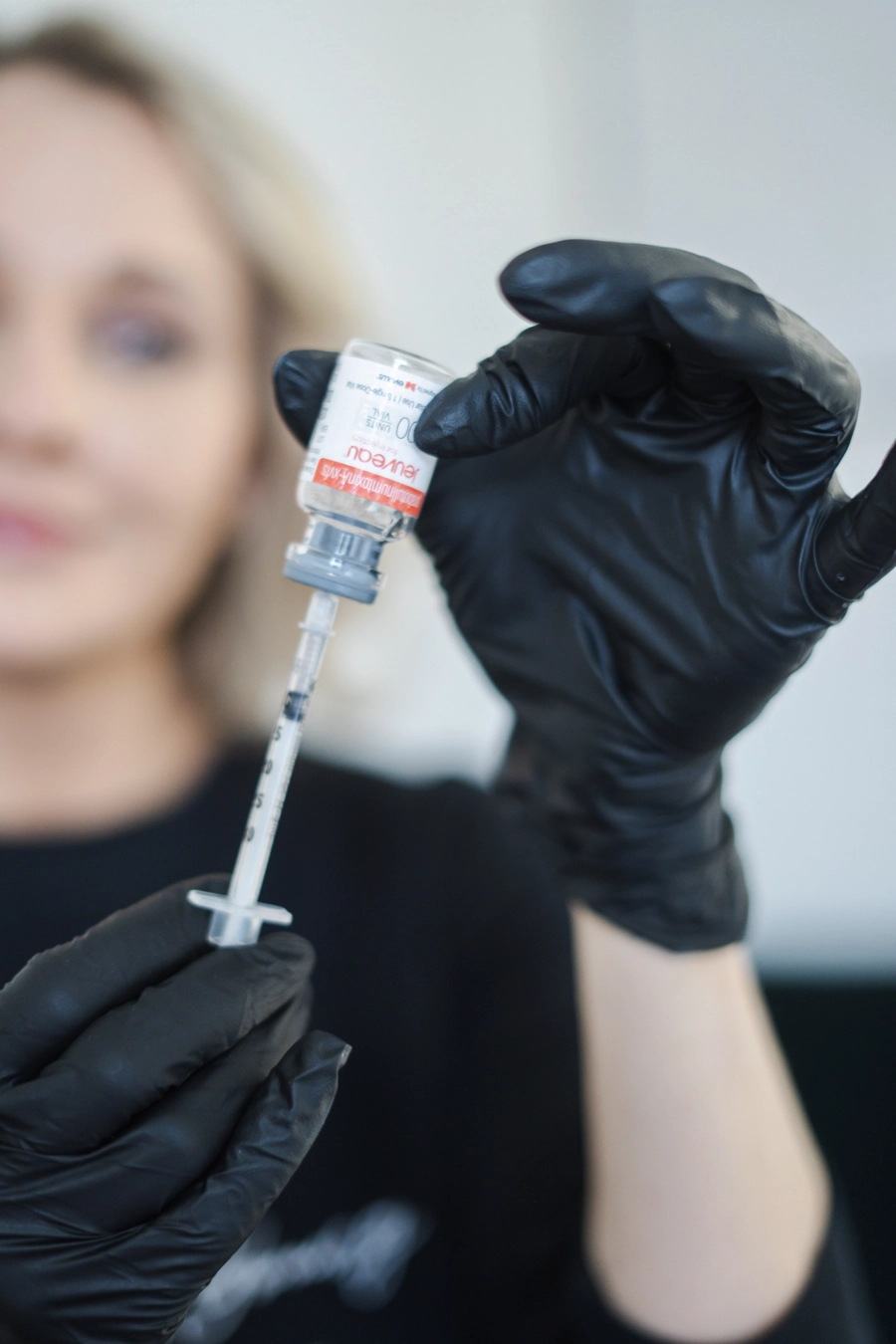
Botox is a neuromodulator that temporarily reduces activity in selected facial muscles.
It is commonly used to soften the appearance of forehead lines, frown lines, and crow’s feet.
If you’re concerned about expression lines that become more noticeable when frowning or concentrating, Botox may be an option worth discussing.
However, treatment suitability depends on your medical history, facial anatomy, and desired results.
Botox does not remove emotional stress or permanently prevent wrinkles.
Dermal fillers for volume-related concerns
Dermal fillers are used to restore or enhance volume in selected facial areas.
They may help improve certain folds or contour changes associated with aging.
However, facial volume loss has several causes and should not automatically be attributed to stress.
Fillers also carry potential risks, including rare but serious vascular complications. Treatment should be performed by an appropriately trained and licensed medical professional after discussing the benefits and risks.
Microneedling for texture and fine lines
Microneedling creates controlled micro-injuries that stimulate the skin’s wound-healing response.
It may improve the appearance of some fine lines, acne scars, and uneven texture over time.
Results vary, and the procedure may not be appropriate for people with certain active skin conditions.
Facials for dryness and dullness
Customized facials may help improve the temporary appearance of dullness, dryness, and surface buildup.
They can complement a consistent skincare routine, particularly when products and techniques are selected for your skin type.
However, facials cannot reverse biological aging or correct hormonal changes associated with chronic stress.
Choosing the appropriate treatment
If your main concern involves expression lines, a neuromodulator consultation may be appropriate.
If you’re concerned about texture or dryness, a skin-focused treatment may make more sense.
A qualified provider can help distinguish between concerns that may respond to cosmetic care and symptoms that require medical evaluation.
Wellness and Aesthetic Care in Fort Mill
Life in Fort Mill, SC, can involve the same daily pressures that affect people everywhere, from demanding work schedules to family responsibilities.
When stress affects your sleep or daily routines, you may notice changes in how your skin looks and feels.
However, looking tired does not necessarily mean your skin is aging prematurely.
A useful approach starts with identifying your concerns rather than assuming stress is responsible for every visible change.
For example, dryness may improve with a more supportive skincare routine, while established expression lines may require a different approach if you want to soften their appearance.
Refresh Your Look With Forever Young Aesthetics
At Forever Young Aesthetics, we help clients in Fort Mill, SC, and surrounding communities address cosmetic skin concerns through personalized aesthetic treatments.
We understand that visible signs of aging involve many factors, including natural skin changes, facial movement, sun exposure, and everyday lifestyle habits.
Our services include Botox, dermal fillers, microneedling, customized facials, and other aesthetic treatments designed to address specific concerns.
During your consultation, we discuss your goals, evaluate the areas you want to improve, and explain suitable treatment options.
Whether you’re concerned about forehead lines, tired-looking skin, or changes in facial texture, our goal is to help you make informed decisions while maintaining a natural-looking appearance.
We also recognize that cosmetic treatments are only one part of skin care. Healthy routines and appropriate medical support remain important when stress affects your overall well-being.
Contact Forever Young Aesthetics in Fort Mill, SC, to schedule a personalized consultation and explore treatment options for your skin concerns.
FAQs About Stress and Premature Aging
Can chronic stress cause premature wrinkles?
Chronic stress may influence biological processes involved in skin aging, including inflammation, barrier function, and collagen maintenance. However, wrinkles develop through multiple factors, and research has not established how much stress alone contributes to their formation.
Does cortisol make your face look older?
Cortisol is a necessary hormone, but disrupted stress signaling may affect skin repair and moisture balance. These changes can influence appearance. However, you cannot determine cortisol levels or identify a cortisol-related condition from someone’s facial appearance.
Can reducing stress improve your skin?
Stress management may support better sleep, overall wellness, and certain aspects of skin health. Some people may notice improvements in stress-related skin symptoms, but reducing stress cannot reliably reverse existing wrinkles or collagen loss.
Does stress cause collagen loss?
Laboratory and early clinical research suggests that stress hormones may influence collagen production and breakdown. However, evidence remains insufficient to calculate how much collagen loss psychological stress directly causes in otherwise healthy people.
Why do I look older after a stressful week?
Poor sleep, dehydration, changes in facial expression, and temporary skin barrier disruption may make your complexion look tired or make existing lines more noticeable. These changes do not necessarily indicate permanent aging.
Can stress make forehead lines deeper?
Frequent brow furrowing can make expression lines more noticeable over time. Stress may contribute to this facial habit, but genetics, skin elasticity, aging, and sun exposure also affect wrinkle development.
Can Botox help with stress-related facial lines?
Botox may soften expression lines caused by repeated muscle contractions, including frown lines and forehead wrinkles. However, it does not treat psychological stress, and it may not be suitable for everyone.
Does stress cause acne and skin inflammation?
Stress may worsen acne, eczema, psoriasis, and other existing skin concerns in some people. However, these conditions have multiple causes and may require appropriate dermatological treatment.
What is the best way to prevent stress-related skin aging?
There is no single method proven to prevent stress-related aging. Managing ongoing stress, sleeping adequately, using daily sun protection, maintaining balanced nutrition, and following a suitable skincare routine can help support overall skin health.