
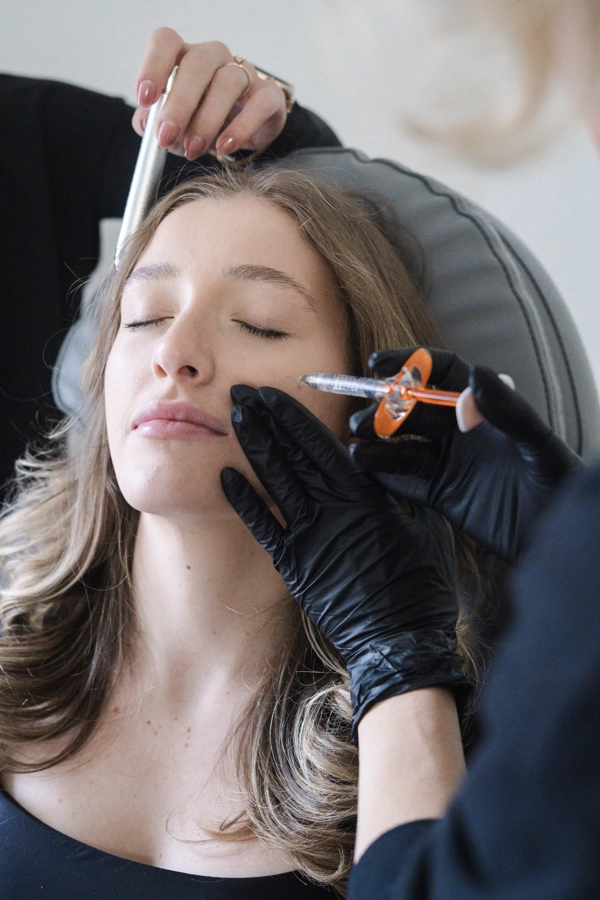
Taking care of your skin doesn’t have to mean booking treatments whenever you notice a new concern. With a little planning, you can organize your aesthetic appointments around your skin’s changing needs, seasonal conditions, and personal goals.
An annual med spa maintenance plan helps you decide which treatments to consider throughout the year, when to schedule follow-up visits, and how to manage your budget. It doesn’t mean you need a procedure every month. Instead, the goal is to create a flexible routine that supports healthy-looking skin without unnecessary appointments or expenses.
Quick Answer: What Is an Annual Med Spa Maintenance Plan?
An annual med spa maintenance plan is a personalized schedule for skincare treatments, follow-up appointments, and aesthetic goals throughout the year. It may include facials, injectables, skin rejuvenation procedures, and seasonal skincare adjustments. Treatment timing depends on your skin condition, desired results, recovery needs, and provider recommendations rather than a fixed monthly or quarterly schedule.
How to Set Your Aesthetic Goals for the Year
Before filling your calendar with appointments, think about what you actually want to improve or maintain.
Maybe you’re happy with your skin overall but want to address occasional dryness. Perhaps you’re concerned about fine lines, uneven texture, or changes in facial volume.
Your priorities should help determine which treatments belong in your annual plan.
Identify your main concerns
Start by choosing one or two areas you’d like to focus on.
Common aesthetic goals include:
- Maintaining skin hydration and a smoother complexion
- Improving the appearance of fine lines
- Addressing uneven pigmentation or texture
- Maintaining results from previous injectable treatments
- Managing dullness or seasonal dryness
- Planning a treatment series for a specific concern
You don’t need to address everything at once.
Prioritizing your concerns can help you avoid scheduling treatments that don’t contribute to your goals.
Consider your lifestyle
Your work schedule, travel plans, outdoor activities, and upcoming events can influence treatment timing.
For example, if you’re planning a beach vacation, you may want to avoid scheduling certain resurfacing procedures immediately before your trip.
Some treatments require temporary sun avoidance or changes to your skincare routine.
Establish a realistic budget
Decide how much you’re comfortable spending on aesthetic care throughout the year.
Remember that certain treatments involve follow-up appointments, maintenance sessions, or recommended skincare products.
A consultation can help you understand expected costs before committing to a treatment plan.
Q1: Winter Skin and Treatment Planning
January through March is a useful time to evaluate your skincare routine and set priorities for the year.
Winter weather can contribute to dryness, especially when indoor heating reduces humidity.
Even in Fort Mill, where winters are generally milder than in northern states, temperature changes and indoor heating can affect how your skin feels.
Focus on hydration and barrier support
If your skin feels tight, rough, or flaky, consider reviewing your cleanser and moisturizer.
Gentle products and adequate moisturizing can help support the skin’s protective barrier.
A customized facial may also be appropriate when your main concern involves temporary dryness or dullness.
Discuss treatments that need recovery time
Winter may be a convenient season to consider certain chemical peels, microneedling procedures, or laser skin treatments because some people spend less time outdoors.
However, winter does not eliminate ultraviolet exposure.
These procedures may still require strict sun protection, temporary avoidance of direct sunlight, and recovery time.
The right timing depends on your skin type, the treatment, and your schedule.
Review previous treatment results
If you’ve received aesthetic treatments before, the beginning of the year is an opportunity to discuss how long your results lasted and whether additional care is appropriate.
Your provider can help you decide which treatments are worth continuing and which may no longer be necessary.
Q2: Spring Skin Preparation
April through June often brings warmer temperatures, more outdoor activities, and increased sun exposure.
For many people, spring is a good time to shift attention toward daily protection and maintaining existing treatment results.
Review your sun protection routine
Daily sunscreen should remain part of your skincare routine throughout the year.
Choose a broad-spectrum sunscreen with SPF 30 or higher and reapply as directed, particularly when spending time outdoors.
If you’re using exfoliating products or recovering from a professional treatment, follow your provider’s specific sun-protection instructions.
Consider lighter maintenance treatments
If your skin is in good condition, spring may be a time to focus on maintenance rather than more intensive procedures.
A customized facial or other suitable treatment may help address surface buildup and temporary dullness.
However, not everyone needs a seasonal facial.
Your skin’s condition should determine whether professional treatment would be beneficial.
Plan around upcoming events
If you have weddings, vacations, graduations, or other important events on your calendar, discuss treatment timing in advance.
Some procedures produce temporary redness, swelling, peeling, or bruising.
Others require several appointments before the desired improvement becomes noticeable.
Avoid scheduling a new procedure immediately before an event without allowing enough time for recovery and follow-up.
Q3: Summer Maintenance and Skin Protection
July through September can bring substantial heat and humidity to the Fort Mill area.
During these months, protecting your skin from ultraviolet exposure and maintaining a comfortable skincare routine may be more useful than adding unnecessary treatments.
Keep sun protection a priority
Summer activities often involve more time outdoors.
Regular sunscreen use, shade, and protective clothing help reduce ultraviolet damage, which is a major contributor to premature skin aging.
Remember that sunscreen is important even when you’re not planning a full day outside.
Adjust your skincare products if needed
Your skin may feel different during humid weather.
For example, you might prefer a lighter moisturizer during summer than the richer product you use in winter.
However, humidity does not eliminate the need for moisturizing.
Choose products based on how your skin responds rather than the season alone.
Be cautious with procedures requiring sun avoidance
Certain chemical peels, laser treatments, and resurfacing procedures can make sun exposure more concerning during recovery.
These treatments are not necessarily prohibited in summer, but appropriate timing and aftercare are important.
If your schedule involves frequent outdoor activities, your provider may recommend delaying a particular procedure or selecting another option.
Maintain existing results when appropriate
If you’ve previously received injectables or other aesthetic treatments, summer may be a convenient time for a review.
That doesn’t mean you automatically need another procedure.
Your provider can assess whether your results are still satisfactory and whether additional treatment would offer a meaningful benefit.
Q4: Fall Treatments and Year-End Planning
October through December can be a good time to review your progress and consider your skincare goals for the following year.
As outdoor activities and sun exposure patterns change, some patients also find fall a convenient time to schedule treatments that require recovery.
Reassess skin texture and pigmentation
After summer, you may notice changes in skin tone, dryness, or visible pigmentation.
A professional assessment can help distinguish cosmetic concerns from conditions that require medical evaluation.
Depending on your needs, treatments such as chemical peels or microneedling may be considered.
However, not every pigmentation concern is appropriate for cosmetic treatment. New, changing, or suspicious skin lesions should be evaluated by a qualified medical professional.

Allow enough recovery time
Fall does not automatically make a procedure safer.
Your skin still needs appropriate aftercare, and ultraviolet exposure remains possible throughout the year.
If you’re considering a resurfacing treatment, ask how much healing time is expected and whether your upcoming holiday activities could interfere with recovery.
Review your annual spending
Look at which treatments you received and whether they helped you achieve your goals.
Consider whether you used all scheduled appointments, needed additional visits, or spent more than expected.
This information can help you create a more practical plan for the following year.
How Often Should Injectable Treatments Be Reviewed?
Injectable treatments have different durations and maintenance requirements.
The appropriate follow-up schedule depends on the product, treatment area, individual response, and desired results.
Botox and other neuromodulators
Botox temporarily reduces muscle activity in selected areas to soften expression lines.
Its cosmetic effects commonly last around three to four months, although results vary.
That doesn’t mean every patient should schedule treatment at the same interval.
Some people prefer to return when muscle movement becomes more noticeable, while others may choose not to maintain treatment continuously.
Dermal fillers
Dermal fillers can last for different lengths of time depending on the product, placement, metabolism, and other factors.
Some results may remain visible for several months or longer.
A follow-up evaluation can help determine whether additional treatment is appropriate.
Receiving more filler simply because a certain number of months has passed is not always necessary.
Why reassessment matters
Your facial features, goals, and previous treatment results should guide decisions about additional injections.
A qualified injector should review your treatment history and discuss potential risks before recommending further procedures.
Maintenance should focus on appropriate results rather than automatically repeating treatments.
How to Space Skin Treatments Throughout the Year
Skin treatments should be scheduled according to their purpose and the amount of recovery required.
Some procedures provide temporary improvements in hydration or appearance. Others involve a healing response that develops over several weeks or months.
Customized facials
Facials may help with cleansing, exfoliation, and temporary hydration.
Their frequency depends on your skin type, sensitivity, and treatment goals.
A patient with occasional dryness may need a different approach from someone receiving treatment for persistent congestion or uneven texture.
Microneedling
Microneedling creates controlled micro-injuries that stimulate the skin’s natural healing response.
Certain concerns may benefit from a series of treatments, while others may require less frequent maintenance.
The interval between sessions should allow appropriate healing and depend on the procedure performed.
Chemical peels
Chemical peels vary significantly in strength and recovery requirements.
A superficial peel may involve relatively limited downtime, while a deeper procedure can require more extensive healing and follow-up care.
Treatment intervals should reflect the type of peel, skin condition, and provider’s recommendations.
Laser and energy-based treatments
Laser resurfacing, radiofrequency microneedling, and other energy-based procedures may have different recovery periods and treatment schedules.
Some require multiple sessions, while others may be performed less frequently.
Combining treatments too closely can increase irritation or other risks.
Your provider should plan the sequence carefully rather than simply filling available appointment dates.
How Memberships Can Support Ongoing Maintenance
A med spa membership may help patients organize regular appointments and manage certain aesthetic expenses.
However, membership programs vary considerably.
Some offer monthly treatment credits, while others provide preferred pricing, discounts, or access to selected services.
Predictable budgeting
A membership with a recurring payment may make expenses easier to plan.
However, you should compare the annual cost with what you would normally spend on treatments.
If you only need occasional appointments, paying individually may be more economical.
Easier long-term planning
Some memberships encourage patients to schedule eligible maintenance visits in advance.
This may be convenient when you’re following a professionally recommended skincare plan.
However, available credits should never determine whether a procedure is medically or cosmetically appropriate.
Check the membership terms
Before joining, review which treatments are eligible, whether unused benefits roll over, and how cancellation works.
At Forever Young Aesthetics, membership options are currently listed as coming soon on the clinic’s website. Patients should confirm availability and published benefits before making financial plans around membership savings.
When Your Treatment Plan Should Be Adjusted
An annual maintenance plan should never be treated as a fixed commitment to receive certain procedures.
Your skin, health, preferences, and circumstances can change throughout the year.
You may need to adjust your plan if:
- You experience new sensitivity, irritation, or breakouts.
- A previous treatment produces results that last longer than expected.
- Your goals or budget change.
- You begin taking medication that affects treatment suitability.
- You become pregnant or are planning pregnancy.
- Your schedule no longer allows sufficient recovery time.
- Your provider recommends delaying or avoiding a procedure.
Sometimes, the best decision is to postpone treatment.
For example, if your skin is irritated after using a new product, it may be better to address that concern before undergoing exfoliation or resurfacing.
Likewise, if you’re satisfied with the results from an earlier procedure, there may be no reason to schedule another immediately.
Your annual plan should help you make informed decisions, not create pressure to receive more treatments.
Annual Med Spa Planning in Fort Mill
For patients in Fort Mill, SC, seasonal changes can influence skincare preferences throughout the year.
Cooler winter weather and indoor heating may contribute to dryness, while warmer months often bring increased heat, humidity, and outdoor exposure.
An annual med spa maintenance plan can help you account for these changes while keeping your treatment goals realistic.
However, seasonal planning should remain flexible.
You do not need chemical peels every winter, facials every spring, or injectable treatments every quarter.
The appropriate schedule depends on your skin condition, previous treatments, and individual preferences.
Plan Your Year-Round Skincare With Forever Young Aesthetics
At Forever Young Aesthetics, we help clients in Fort Mill, SC, and surrounding communities create personalized aesthetic treatment plans.
Our services include Botox, dermal fillers, microneedling, chemical peels, laser skin treatments, customized facials, and non-surgical skin tightening options.
We understand that ongoing skin maintenance should fit your lifestyle rather than require a complicated schedule.
During your consultation, we discuss your concerns, review your treatment history, and help you explore suitable options for your goals.
Whether you’re planning your first aesthetic treatment or reviewing maintenance after previous procedures, we can help you consider timing, recovery, and treatment priorities.
Contact Forever Young Aesthetics in Fort Mill, SC, to schedule a consultation and start planning your year-round skincare routine.
FAQs About Year-Round Med Spa Maintenance
How often should you visit a med spa for maintenance?
There is no universal schedule. Some patients benefit from occasional appointments, while others receive a series of treatments for specific concerns. Frequency should depend on the procedure, skin condition, and provider recommendations.
Should you schedule facials every month?
Not necessarily. Monthly facials may suit some patients, but others may benefit from less frequent appointments. Your skin type, concerns, and budget should guide the decision.
Is winter the best time for chemical peels?
Winter may be more convenient for some people because they spend less time outdoors. However, chemical peels can require sun avoidance and careful aftercare regardless of the season. Timing depends on the peel and your lifestyle.
How often should Botox maintenance be scheduled?
Botox results commonly last around three to four months, but individual responses vary. Your injector should assess your results and determine whether another treatment is appropriate.
Can you combine microneedling and chemical peels in an annual plan?
Sometimes. These procedures may be included in the same long-term skincare plan, but their timing must allow appropriate healing. Your provider should determine whether the combination is suitable.
Do you need more skin treatments during summer?
No. Summer does not automatically require additional professional treatments. Daily sun protection and an appropriate skincare routine may be the main priorities.
Can a med spa membership help with annual skincare budgeting?
Potentially. Some memberships provide recurring benefits or preferred pricing that may help frequent patients manage expenses. Compare the total cost, available benefits, and cancellation terms before enrolling.
What if my skin goals change halfway through the year?
Your maintenance plan can be adjusted. A follow-up consultation allows your provider to reassess your concerns and recommend whether to continue, change, or postpone treatments.
Is an annual med spa plan suitable for first-time patients?
Yes. An annual plan can simply outline your concerns, possible treatment options, and estimated expenses. You don’t need to commit to multiple procedures. Starting with a consultation and a basic skincare routine may be the most appropriate approach.