
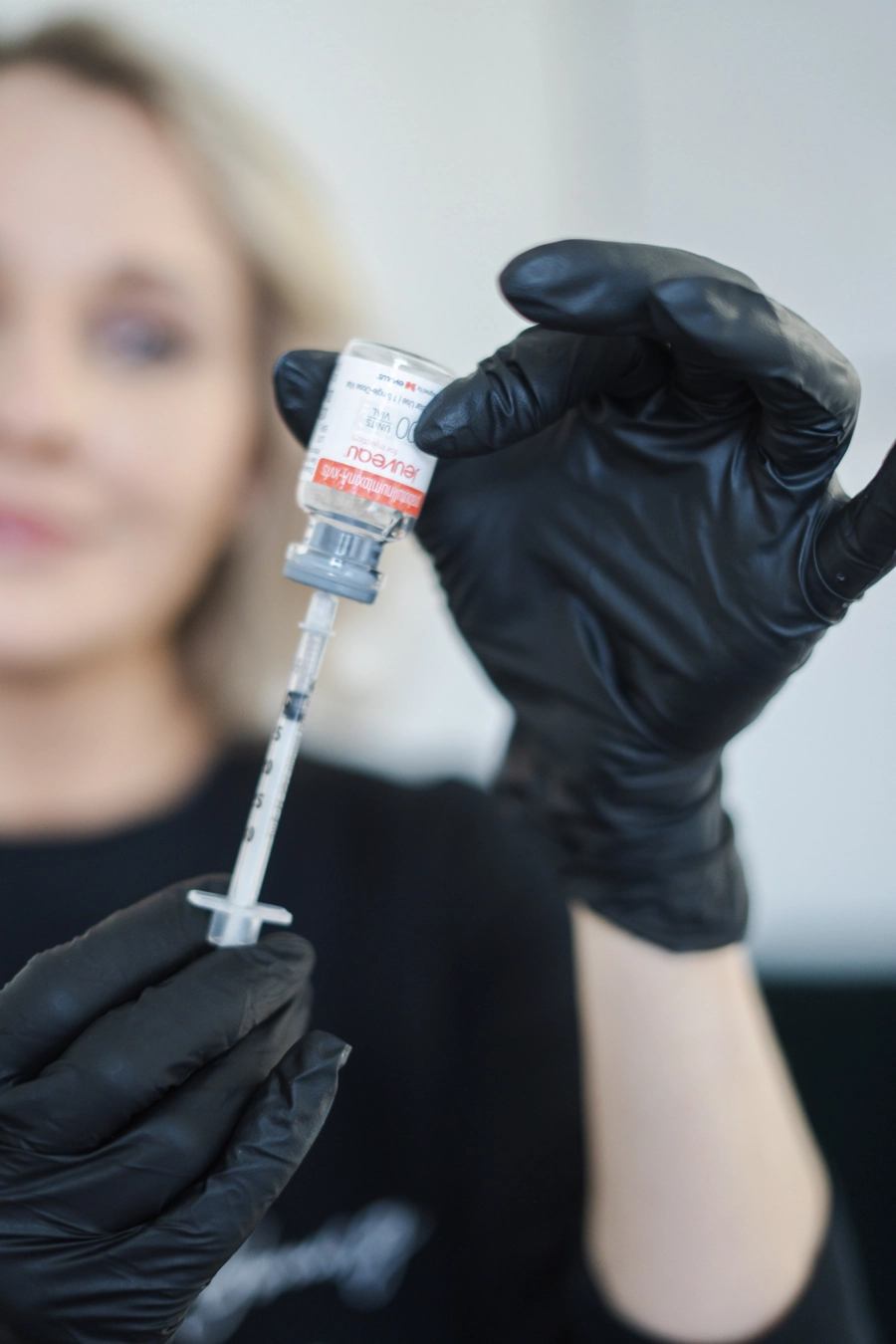
Dermal fillers are generally considered safe when administered by a qualified and experienced medical professional using approved products. Understanding dermal filler safety and potential risks helps patients make informed decisions while reducing the likelihood of complications.
Millions of dermal filler treatments are performed each year to restore facial volume, soften wrinkles, and enhance facial contours. Although most patients experience positive results with minimal downtime, every cosmetic procedure carries some degree of risk. Knowing the possible dermal filler side effects, recovery expectations, and factors that influence safety allows patients to approach treatment with confidence and realistic expectations.
Patients considering dermal fillers should understand both the benefits and potential risks before beginning treatment.
What Are the Most Common Side Effects of Dermal Fillers?
Most side effects associated with dermal fillers are mild and temporary.
These reactions usually resolve on their own within a short period.
Injection Site Redness
Redness is one of the most common responses after treatment.
The skin may appear slightly irritated where the filler was placed.
This typically improves quickly.
Mild Swelling
Swelling occurs because the skin and underlying tissues react to the injection process.
The degree of swelling varies depending on the treatment area and the individual patient.
Bruising
Small bruises can develop when tiny blood vessels are affected during injection.
Certain medications and supplements may increase bruising risk.
Tenderness and Sensitivity
The treated area may feel mildly sore or sensitive for several days.
This is generally considered a normal part of recovery.
Temporary Firmness
Some patients notice slight firmness or unevenness immediately after treatment.
The filler often settles as the tissues adapt.
Most Reactions Improve Naturally
The majority of common side effects improve without additional treatment and are considered part of the normal healing process.
Patients can review recommended pre- and post-care instructions to help support a smooth recovery.
Are Dermal Fillers FDA-Approved and Safe?
Many dermal fillers used in aesthetic medicine have received FDA approval for specific cosmetic applications.
Approval indicates that the products have undergone evaluation for safety and effectiveness.
Why Product Selection Matters
Not all fillers are designed for the same purpose.
Different products are approved for different treatment areas such as:
- Lips
- Cheeks
- Chin
- Jawline
- Smile lines
- Facial volume restoration
Selecting the appropriate product is important.
Provider Experience Is Critical
Even approved products require proper injection technique.
An experienced injector understands facial anatomy, product characteristics, and treatment planning.
Patient Evaluation Improves Safety
A thorough consultation helps identify factors that may affect treatment suitability.
Medical history, medications, allergies, and previous cosmetic procedures should all be discussed.
Following Instructions Matters
Pre-treatment and post-treatment instructions contribute to safer outcomes and smoother recovery.
Safety Depends on Multiple Factors
The combination of approved products, proper patient selection, and professional administration helps maximize safety.
For a deeper understanding of treatment options and filler types, patients may find the filler guide helpful.
Can Dermal Fillers Cause Long-Term Complications?
Serious long-term complications are uncommon, but they can occur.
Understanding these possibilities helps patients make informed choices.
Delayed Reactions
In rare situations, the body may react to filler material weeks, months, or longer after treatment.
Professional evaluation is important if unusual symptoms develop.
Persistent Lumps or Irregularities
Some patients may experience nodules, firmness, or uneven texture.
Proper placement and product selection help reduce this risk.
Changes in Appearance Over Time
As fillers gradually break down, facial appearance changes naturally.
Maintenance plans help support balanced and predictable results.
Importance of Follow-Up Care
Routine evaluations allow providers to monitor results and address concerns if necessary.
Rare Does Not Mean Impossible
Although complications are uncommon, patients should understand both benefits and risks before treatment.
Open Communication Is Essential
Promptly reporting concerns improves the ability to manage unexpected issues effectively.
Many patients use fillers as part of a broader facial rejuvenation strategy that evolves over time.
What Happens if Dermal Fillers Are Injected Incorrectly?
Proper technique is one of the most important aspects of filler safety.
Incorrect placement can affect both appearance and overall treatment outcomes.
Poor Cosmetic Results
Incorrect injection technique may lead to:
- Asymmetry
- Uneven contours
- Excess fullness
- Unnatural appearance
- Visible irregularities
Careful planning helps reduce these risks.
Increased Complication Risk
An injector must understand facial anatomy and vascular structures.
This knowledge supports safer product placement.
Why Anatomy Matters
The face contains complex networks of blood vessels, nerves, muscles, and supporting tissues.
Accurate placement helps protect these structures.
Correction May Be Possible
Certain filler products can sometimes be adjusted or dissolved when necessary.
Treatment options depend on the specific situation.
Choosing Qualified Providers Is Important
Patients seeking safe dermal fillers Fort Mill, SC should prioritize experience, training, and medical expertise rather than selecting providers based solely on price.
Reviewing a provider’s gallery of results can help patients better understand expected outcomes and treatment quality.
Consultation Plays a Major Role
A comprehensive evaluation helps create an individualized treatment plan that supports both safety and aesthetic goals.
Is Swelling and Bruising Normal After Fillers?
Yes. Swelling and bruising are among the most common temporary reactions following filler treatment.
They are generally expected to some degree.
Why Swelling Occurs
The injection process creates minor tissue trauma.
The body responds through normal healing mechanisms.
This response may cause temporary swelling.
Why Bruising Develops
Small blood vessels may be disrupted during injection.
When this occurs, minor bruising can appear around the treatment area.
Severity Varies
Some patients experience minimal swelling and bruising.
Others may notice more visible changes depending on:
- Treatment area
- Skin sensitivity
- Medical history
- Individual healing response
Temporary Nature of Symptoms
Most swelling and bruising gradually improve as healing progresses.
Patients should follow provider instructions carefully during recovery.
When to Contact the Provider
Any symptoms that seem unusual, severe, or concerning should be reported promptly for evaluation.
Who Should Avoid Getting Dermal Fillers?
Not every patient is an ideal candidate for dermal filler treatment.
A consultation helps determine whether treatment is appropriate.
Active Infections
Patients with infections near the planned treatment area may need to postpone treatment until healing occurs.
Certain Medical Conditions
Some health conditions may affect candidacy.
The provider should review complete medical history before treatment.
Allergic Concerns
Patients with known sensitivities to specific ingredients should discuss these concerns during consultation.
Unrealistic Expectations
Dermal fillers can provide meaningful improvement, but they cannot stop aging or completely transform facial structure.
Realistic expectations support satisfaction.
Pregnancy and Breastfeeding Considerations
Patients should discuss pregnancy or breastfeeding status with their provider when considering cosmetic procedures.
Individual Assessment Is Essential
Safe treatment begins with proper patient selection and personalized evaluation.
Not every treatment is appropriate for every individual.
Scheduling a consultation with an experienced provider is the best way to determine candidacy for injectable treatments.
Final Thoughts
Dermal fillers are widely used cosmetic treatments that can provide safe and effective facial enhancement when administered by qualified professionals using approved products. Most patients experience only mild, temporary side effects such as redness, swelling, bruising, or tenderness. Although serious complications are uncommon, proper provider selection, patient evaluation, and treatment planning remain essential. Understanding potential risks, recovery expectations, and candidacy requirements helps patients make informed decisions. A thorough consultation and ongoing communication with an experienced injector are important steps toward achieving safe, natural-looking, and satisfying aesthetic results.
Choose Safety First for Your Aesthetic Treatments
At Forever Young Aesthetics, we believe patient safety should always come first. We take time to evaluate your goals, review your medical history, discuss treatment options, and answer questions thoroughly before recommending any procedure. Our personalized approach focuses on achieving natural-looking results while maintaining the highest standards of care. Whether you are considering dermal fillers for the first time or seeking ongoing aesthetic treatments, we are here to help guide you through the process with confidence. Contact us today to schedule a consultation and learn more about your options.
For patients interested in learning more, visit our Dermal Fillers service page or contact our team to schedule a consultation.