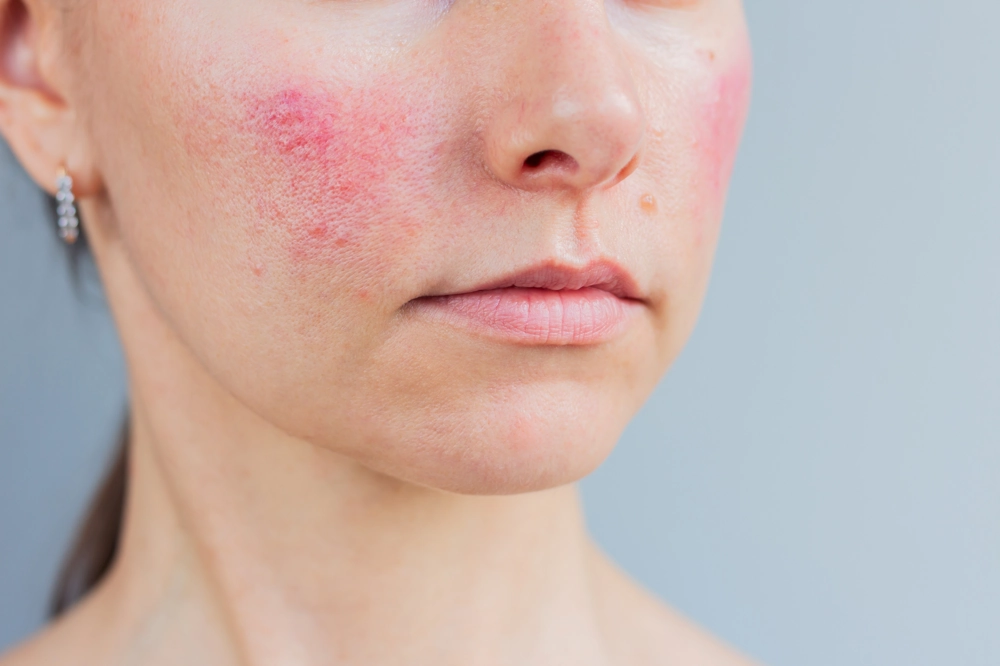
Hormonal acne treatment options depend on what is driving the breakouts, how severe they are, and whether inflammation, clogged pores, dark marks, or scarring are the main concerns. A consistent skincare routine and professional skin treatments may help some patients, while persistent or painful hormonal acne may require prescription treatment from a dermatologist or another medical provider.
Hormonal acne can occur well beyond the teenage years and does not always mean there is an abnormal hormone level. Changes in hormones and the skin’s sensitivity to androgens can influence oil production and contribute to breakouts. At Forever Young Aesthetics, understanding the pattern of your acne is an important first step toward choosing appropriate skin treatments and knowing when medical care may be needed.
What Is Hormonal Acne?
Hormonal acne is acne that is influenced by hormonal activity or fluctuations.
Hormones called androgens can stimulate the sebaceous glands to produce more oil. When excess oil combines with dead skin cells inside a hair follicle, the pore can become clogged. Bacteria and inflammation can then contribute to pimples, nodules, or cyst-like lesions.
Mayo Clinic identifies excess oil production, clogged hair follicles, bacteria, and inflammation as four major factors involved in acne. Hormonal changes, including those that occur during puberty and adulthood, can increase oil production and contribute to breakouts.
Hormonal acne is often discussed in connection with women because breakouts may occur or worsen around:
- Menstrual cycles
- Pregnancy
- Perimenopause
- Menopause
- Starting or stopping certain hormonal contraceptives
- Conditions that affect androgen activity
People taking testosterone therapy can also experience hormone-related acne.
Having hormonal acne does not automatically mean you have a hormonal disorder. Many people experience acne related to normal hormonal fluctuations or the way their sebaceous glands respond to hormones.
What Causes Hormonal Acne?
Hormones are one part of acne development rather than the only factor.
Androgen Activity
Androgens can increase sebum production. More oil can make it easier for dead skin cells to accumulate inside follicles and create clogged pores.
This is why acne frequently begins during puberty, when androgen activity increases.
Hormones can continue to influence skin later in life. Cleveland Clinic notes that pregnancy, menopause, testosterone therapy, hormonal conditions, and changes in birth-control use can all contribute to adult acne.
Menstrual Hormone Changes
Some people notice that acne appears predictably before or during their menstrual period.
These breakouts may occur along the chin, jawline, or lower face, although hormonal acne is not restricted to those areas.
Pregnancy and Postpartum Changes
Pregnancy produces major hormonal changes that can affect oil production and acne.
Treatment choices also require extra care during pregnancy because some common acne medications and skincare ingredients are not appropriate during pregnancy.
Perimenopause and Menopause
Changes in the balance between estrogen and androgen activity may contribute to new or recurrent acne during midlife.
Hormonal Conditions
Certain medical conditions can contribute to androgen-related acne.
Polycystic ovary syndrome, for example, can involve increased androgen activity as well as symptoms such as irregular menstrual cycles and excess facial or body hair.
Acne alone is not enough to diagnose a hormonal condition. A medical evaluation is appropriate when acne occurs alongside other unexplained hormonal symptoms.
Medications
Certain medications can trigger or worsen acne. Mayo Clinic lists medications containing corticosteroids, testosterone, or lithium among examples.
Do not stop a prescribed medication because you suspect it is causing breakouts. Discuss the concern with the healthcare professional who prescribed it.
How Can You Tell Hormonal Acne From Other Breakouts?
There is no single appearance that definitively proves acne is hormonal.
Certain patterns can provide clues, however.
Hormonal acne may:
- Return around the same point in the menstrual cycle
- Concentrate along the chin, jawline, or lower face
- Produce deeper, tender bumps
- Continue or begin in adulthood
- Flare during pregnancy, perimenopause, or other hormonal transitions
- Become worse after stopping certain hormonal contraceptives
- Occur with other signs of androgen excess in some patients
The American Academy of Dermatology notes that persistent acne along the lower face, jawline, and neck may respond well to hormonal therapy in appropriate women.
However, location alone cannot diagnose hormonal acne.
Breakouts can also be influenced by:
- Comedogenic skincare or cosmetics
- Hair products
- Friction or pressure
- Sweat
- Medications
- Genetics
- Stress
- Other skin conditions
Some conditions that resemble acne require completely different treatment.
If your breakout developed suddenly, is unusually severe, or does not respond to appropriate acne care, a dermatologist can help establish what is actually causing it.
What Skin Treatments May Help Hormonal Acne?
Professional skin treatments may support an acne plan, but they do not necessarily address the underlying hormonal influence.
The appropriate treatment depends on whether your skin currently has clogged pores, superficial inflammatory acne, deep painful lesions, dark marks, or scars.
Professional Acne-Focused Facials
Carefully selected treatments may help remove surface buildup, support hydration, and complement a home skincare routine.
Aggressive scrubbing is generally not helpful. Irritation can make inflamed acne look and feel worse.
Chemical Peels
Certain chemical peels can help unclog pores and reduce excess surface buildup. They may also help some patients with discoloration that remains after acne.
Acne Extraction
Professional extraction may sometimes be appropriate for selected comedones such as blackheads or whiteheads.
Picking or squeezing breakouts at home increases the risk of inflammation, pigment changes, and scarring.
Light or Laser-Based Treatments
Certain light and laser treatments may be incorporated into acne care in selected patients, but they should not automatically replace established topical or systemic therapy.
The AAD’s updated acne guidelines note that the current evidence was insufficient to make broad recommendations for procedures including chemical peels, laser and light treatments, and microneedling as primary acne treatments. Evidence-based acne care continues to include topical and systemic therapies when appropriate.
For that reason, med spa procedures should be viewed as potential components of an individualized treatment plan rather than a guaranteed solution for hormonal acne.
Can Chemical Peels Help Acne-Prone Skin?
Chemical peels can be useful for certain acne concerns.
A peel applies a controlled chemical solution to exfoliate portions of the skin. Depending on the formulation and strength, this can help remove dead skin cells, reduce clogged pores, and improve superficial discoloration.
The American Academy of Dermatology lists chemical peels among procedures that can help some forms of acne because they remove dead skin cells and excess oil that can clog pores.
Ingredients and peel types vary considerably.
A professional may consider factors such as:
- Whether acne is inflammatory or predominantly clogged pores
- Skin sensitivity
- Skin tone
- Current acne medications
- History of hyperpigmentation
- Previous procedures
- Recent sun exposure
- Current use of retinoids or exfoliating products
A chemical peel does not correct an underlying hormonal driver.
If hormones are continuously stimulating excess oil production and deep inflammatory breakouts, a peel alone may provide limited control.
Peels also need to be chosen carefully because excessive exfoliation can damage the skin barrier and increase irritation.
Patients should disclose all prescription and over-the-counter acne treatments before undergoing a peel. The AAD specifically recommends discussing current and previous acne medications, including isotretinoin, before chemical peel treatment.
Can Microneedling Help With Acne Scars After Breakouts?
Microneedling can be useful for certain acne scars, but it is primarily a scar treatment, not a treatment for active hormonal breakouts.
During microneedling, very small needles create controlled punctures in the skin. The healing response stimulates collagen remodeling, which can make certain depressed acne scars less noticeable over time.
The American Academy of Dermatology includes microneedling among treatments for depressed acne scars and notes that the procedure stimulates new collagen and elastin.
The type of scar matters.
Acne can leave behind:
- Depressed or indented scars
- Raised scars
- Dark post-inflammatory marks
- Red marks
- Uneven texture
These concerns do not all respond to the same treatment.
Microneedling is generally considered after active inflammatory acne is under reasonable control. Performing cosmetic scar procedures while new deep breakouts continue to form may mean treating old damage while additional scars are still developing.
For some patients, acne control therefore needs to come first.
A treatment plan may later combine microneedling with other scar treatments depending on scar depth, skin type, and individual goals.
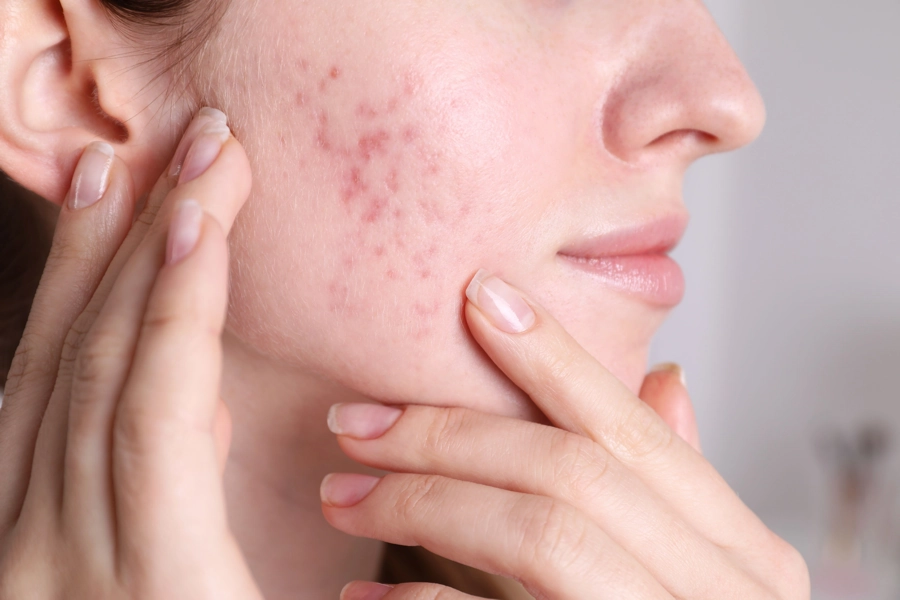
How Can Skincare Support Hormonal Acne Treatment?
Daily skincare can make a meaningful difference even when hormones are one of the underlying triggers.
The goal is to reduce pore blockage and inflammation without stripping or irritating the skin.
Use a Gentle Cleanser
Wash acne-prone areas gently rather than scrubbing them.
Harsh physical scrubs and repeated cleansing can damage the skin barrier and aggravate irritation.
Look for Evidence-Based Acne Ingredients
The AAD’s current acne guidelines recommend several topical treatment categories, including:
- Benzoyl peroxide
- Retinoids
- Salicylic acid
- Azelaic acid
- Certain topical antibiotics
- Clascoterone
Prescription and over-the-counter options are not interchangeable, and some require medical supervision.
Salicylic acid can help unclog pores, while benzoyl peroxide can be useful for inflammatory acne. Azelaic acid can help with acne and may also improve some post-acne dark marks.
Use Noncomedogenic Products
Look for moisturizers, sunscreen, makeup, and skincare products labeled noncomedogenic or formulated not to clog pores.
Acne-prone skin still needs moisturizer, particularly when active treatments cause dryness.
Avoid Over-Treating
Using a retinoid, exfoliating acid, scrub, benzoyl peroxide, toner, and chemical peel all at once does not necessarily clear acne faster.
Too many active ingredients can cause dryness, burning, redness, and disruption of the skin barrier.
Wear Sunscreen
Daily sunscreen is particularly important if acne leaves dark marks or if you use treatments that increase sun sensitivity.
Choose a sunscreen appropriate for acne-prone skin and use it consistently.
Give Treatment Time
Acne treatments usually do not produce overnight changes.
Consistency over weeks or months is often more important than frequently switching products because a breakout appeared.
Can Lifestyle and Wellness Factors Affect Breakouts?
Lifestyle can influence acne for some people, but hormonal acne should not be reduced to a problem caused by diet, stress, or poor habits.
Stress
Stress does not create every case of acne, but it can worsen existing skin conditions in some people.
Stress management may therefore be a useful part of overall wellness, particularly when patients consistently notice flares during stressful periods.
Sleep
Adequate sleep supports general health and stress regulation. However, improving sleep should not be presented as a substitute for established acne treatment.
Diet
Research has explored possible relationships between acne and dietary patterns, including high-glycemic foods and dairy.
However, the evidence is not strong enough to recommend one restrictive “acne diet” for everyone. The AAD’s updated acne guidelines reported insufficient evidence to make formal treatment recommendations for dietary changes.
If you consistently notice a specific food coinciding with breakouts, discussing that pattern with a healthcare professional or registered dietitian may be more useful than eliminating broad groups of foods without evidence.
Exercise
Exercise supports overall health, but sweat and friction can sometimes irritate acne-prone skin.
Changing out of sweaty clothing and cleansing gently after exercise may help.
Skin and Hair Products
Heavy or oily products can contribute to clogged pores in some people.
Pay particular attention to products that regularly touch acne-prone areas, including:
- Hair oils
- Styling products
- Makeup
- Facial oils
- Sunscreens
- Heavy moisturizers
Changing a comedogenic product can help when it is one of several contributing factors, but it will not correct true hormone-driven acne by itself.
When Should You See a Dermatologist or Medical Provider?
Mild acne can sometimes be managed with appropriate over-the-counter skincare and professional guidance.
Medical evaluation becomes more important when acne is persistent, severe, painful, or causing scars.
Consider seeing a dermatologist or another appropriate medical provider if:
- You have deep, painful nodules or cyst-like lesions
- Acne is leaving permanent scars
- Breakouts persist despite consistent over-the-counter treatment
- Acne begins suddenly or becomes significantly worse
- Breakouts are affecting your emotional well-being
- You think a medication may be contributing
- Acne occurs alongside menstrual or other hormonal changes that concern you
Medical assessment may be especially useful if acne occurs with symptoms such as irregular menstrual cycles, new excessive facial or body hair, scalp hair thinning, or other possible signs of an endocrine condition.
A clinician can determine whether testing or further evaluation is appropriate.
Dermatologists also have prescription options that a med spa cannot substitute for.
Current AAD guidelines include systemic treatments such as certain oral antibiotics, combined oral contraceptives, spironolactone, and isotretinoin when clinically appropriate.
For suitable women with hormone-related acne, hormonal therapies such as certain combined oral contraceptives or spironolactone may be considered after medical evaluation. These medications have contraindications and potential side effects, so they require individualized prescribing rather than self-treatment.
If you are pregnant, breastfeeding, planning pregnancy, or could become pregnant, tell your healthcare provider before starting or continuing acne medications because some treatments are not appropriate during pregnancy.
How to Choose the Right Acne Treatment Plan
The right hormonal acne treatment plan depends on more than where the breakouts appear.
A useful assessment considers:
- Types of acne lesions
- Severity and frequency of breakouts
- Whether acne follows a hormonal pattern
- Current skincare products
- Prescription medications
- Skin sensitivity
- History of scarring
- Post-inflammatory pigmentation
- Pregnancy or pregnancy plans
- Other possible hormonal symptoms
- Previous treatments
- Personal treatment goals
Someone with mostly clogged pores may benefit from a different routine than someone developing deep, painful jawline nodules every month.
Likewise, someone whose acne is controlled but who has remaining scars needs a different treatment plan from someone still experiencing frequent active breakouts.
A treatment strategy may include several stages.
First, control active acne. This can involve appropriate skincare, topical medication, prescription treatment, or hormonal therapy when medically indicated.
Next, address remaining discoloration or texture. Chemical peels or other professional treatments may be appropriate for selected patients.
Finally, treat established scarring when appropriate. Microneedling or other scar-specific procedures may be considered after active acne is sufficiently controlled.
At Forever Young Aesthetics, professional skincare treatments can support an acne-care plan, but persistent hormonal acne may require collaboration with a dermatologist or another medical provider. The goal is to choose treatments for the concern that is actually present rather than treating every breakout the same way.
FAQs
What is the best treatment for hormonal acne?
There is no single best treatment for everyone. Mild acne may respond to topical skincare, while persistent hormone-driven acne may require prescription treatments such as hormonal therapy or other acne medications after medical evaluation.
Where does hormonal acne usually appear?
Hormonal acne commonly affects the chin, jawline, and lower face, but it can occur elsewhere. Location alone cannot confirm that acne is hormonal.
Can hormonal acne be treated at a med spa?
Med spa treatments may support acne-prone skin and address clogged pores, texture, discoloration, or later scarring. They do not replace medical evaluation or prescription treatment when persistent hormonal activity is driving acne.
Can chemical peels help hormonal acne?
A properly selected chemical peel may help clogged pores and some surface-level acne concerns. It does not correct the hormonal influence responsible for recurrent breakouts.
Does microneedling treat hormonal acne?
Microneedling is generally used to improve certain acne scars rather than active hormonal acne. Active inflammatory breakouts should usually be brought under control before scar-focused treatment.
Does diet cause hormonal acne?
Diet is not considered the sole cause of hormonal acne. Research suggests certain dietary patterns may influence acne in some people, but there is no universal acne diet that works for everyone.
Can stress cause hormonal acne?
Stress can worsen breakouts in some people, but it is only one possible contributing factor. Persistent acne may require skincare or medical treatment even when stress is well managed.
When should hormonal acne be medically evaluated?
Seek medical guidance if acne is severe, painful, scarring, persistent despite treatment, or accompanied by other possible hormonal symptoms such as irregular menstrual cycles or new excessive hair growth.
Build an Acne Plan Around Your Skin
Hormonal acne often requires more than simply drying out individual breakouts. The right plan may include consistent acne-focused skincare, carefully selected professional treatments, management of triggers, and medical therapy when hormones are contributing to persistent or severe acne.
At Forever Young Aesthetics, we can evaluate your skin, current breakouts, post-acne marks, and treatment goals to determine which aesthetic treatments may complement your skincare routine. When symptoms suggest that prescription treatment or a hormonal evaluation would be more appropriate, working with a dermatologist or another medical provider can help address the underlying concern as well as its effects on your skin.