
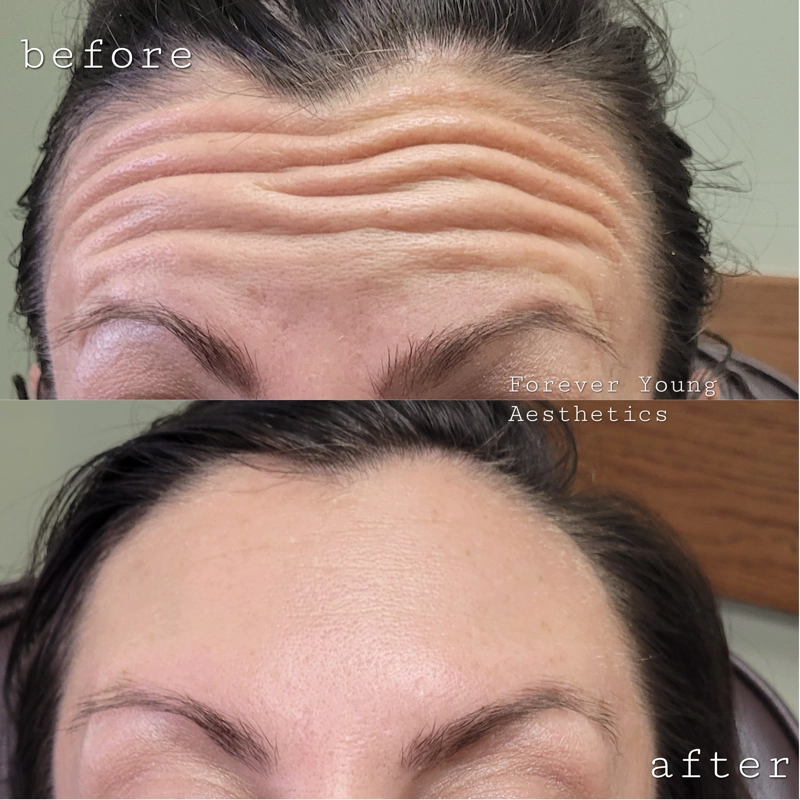
Botox works fast, but how long do the results actually stick around? That is one of the biggest questions people ask before scheduling treatment.
The answer depends on several factors, including the area treated, your muscle movement, the dosage used, and how your body responds over time.
In most cases, results remain noticeable for a few months before maintenance treatments are needed. Understanding how long Botox lasts can help you plan your appointments and set realistic expectations.
Considering Botox in Fort Mill?
Learn more about personalized Botox treatments at Forever Young Aesthetics, including what the treatment involves and whether it may be right for your goals.
How Long Does Botox Last on the Face?
Botox results on the face typically last about three to four months. After this time, the effects gradually wear off as the body processes the botulinum toxin and the treated muscles begin returning to their normal movement. According to the FDA’s overview of botulinum toxin products, the effects are temporary, which means maintenance treatments may be necessary.
However, the duration can vary depending on the treatment area and the individual’s response to Botox.
Smaller areas: Results commonly last around three months in areas such as crow’s feet and frown lines.
Larger areas: Forehead Botox may remain noticeable for three to four months, although results differ from person to person.
Botox is not a permanent solution. Its effects gradually diminish as muscle activity returns, so follow-up treatments are generally needed to maintain the desired appearance.
Why Does Botox Wear Off Faster for Some People?
There are several reasons Botox might wear off faster for some people. These factors include individual biology, lifestyle habits, muscle strength, and how the treatment is administered.
Metabolism: People with faster metabolisms may process Botox more quickly, resulting in a shorter treatment duration.
Muscle activity: Individuals with strong facial muscles or frequent facial expressions may notice movement returning sooner.
Dosage: The amount of Botox used in the treatment area can influence how long the effects remain visible.
Treatment history: First-time patients may notice that their initial results do not last as long as later treatments.
Injection technique: Accurate placement by a trained and experienced injector can help support balanced, natural-looking results.
An experienced provider can evaluate these factors and recommend a treatment plan based on your facial anatomy and cosmetic goals.
How Often Should You Get Botox?
Most people schedule Botox treatments every three to four months to maintain their desired results. After the first appointment, the effects usually fade gradually rather than disappearing all at once.
Routine maintenance: Regular appointments can help maintain smoother-looking skin and consistent results.
Individualized scheduling: Some patients may need treatment slightly sooner, while others may be able to wait longer between appointments.
Avoiding overtreatment: Botox should be scheduled according to your provider’s recommendations rather than automatically receiving injections before they are needed.
The ideal frequency varies from person to person. Your provider can help you create a maintenance schedule based on how quickly muscle movement returns.
For a deeper look at different treatment approaches, you can also explore the guide on microdosing Botox and how it works.
Does Botox Last Longer Over Time?
Botox may last longer over time for some people, particularly after several consistent treatment sessions.
Cumulative effects: Repeated treatment can reduce the strength of targeted muscle contractions, which may cause lines to return more gradually.
Longer intervals: Some patients discover that they can schedule their maintenance appointments farther apart after receiving Botox regularly.
Individual response: Not everyone experiences longer-lasting results. Metabolism, muscle strength, dosage, and treatment area still influence the duration.
Although three to four months remains a common timeframe, an established treatment routine may help certain patients maintain their results with fewer appointments over time.
What Affects How Long Botox Lasts?
Several factors can influence the duration of Botox results.
Dosage and injection technique: The amount used and the injector’s technique can affect both the appearance and longevity of the results.
Area treated: Botox may wear off sooner in areas with stronger or more frequent muscle movement.
Muscle strength: People with stronger facial muscles may require a different dosage or maintenance schedule.
Metabolism: A faster metabolism can cause the body to process Botox more quickly.
Lifestyle factors: Smoking, frequent sun exposure, and ongoing skin damage may affect the overall appearance of the skin, even while Botox is working.
Treatment consistency: Maintaining an appropriate schedule may help prevent treated muscles from fully returning to their previous level of activity.
Because these factors differ for every patient, treatment should be based on an individual consultation rather than a one-size-fits-all schedule.
Can You Make Botox Last Longer?
You cannot stop Botox from naturally wearing off, but certain habits may help support your treatment results and overall skin health.
Follow aftercare instructions: Your provider may recommend temporarily avoiding rubbing the treated area, strenuous exercise, or certain activities after your appointment.
Schedule treatments consistently: Booking maintenance appointments when movement begins returning can help keep results looking consistent.
Protect your skin from the sun: Daily sunscreen helps prevent sun damage that can make fine lines appear more noticeable.
Follow a supportive skincare routine: Moisturizers, antioxidants, retinoids, and other professionally recommended products can improve the appearance and condition of the skin.
Maintain healthy habits: Staying hydrated, getting enough sleep, and avoiding smoking can support healthier-looking skin.
Pairing Botox with complementary facial rejuvenation treatments may also help create more balanced results. Your provider can recommend options based on your skin concerns rather than combining treatments without a personalized plan.
Related Services
Explore additional options that may complement your aesthetic goals:
- Botox injections in Fort Mill
- Dermal fillers
- Facial rejuvenation treatments
- Professional skin treatments
When Should I Get Botox Again?
The ideal time to schedule another Botox appointment is usually when you begin noticing muscle movement and fine lines gradually returning.
Common signs that it may be time for a touch-up include:
- Facial expressions becoming more noticeable in the treated area
- Fine lines beginning to reappear
- Forehead, frown-line, or crow’s-feet movement returning
- Results no longer appearing as consistent as they did after treatment
Most patients return after approximately three to four months, but there is no universal schedule. A qualified provider can evaluate your results and determine when another appointment is appropriate.
What Should You Expect From Botox Results?
Botox offers a nonsurgical option for temporarily softening the appearance of expression lines. Results commonly last between three and four months, although muscle activity, metabolism, dosage, treatment location, and lifestyle habits can influence the timeline.
Understanding these factors can help you plan for maintenance treatments without expecting permanent results. The goal should be a treatment schedule that supports a refreshed appearance while preserving natural facial expression.
Refresh Your Look With Natural-Looking Botox Results
Small, carefully planned changes can make a noticeable difference in how refreshed and confident you feel. Botox can soften expression lines and create a smoother appearance without making your face look frozen or overtreated.
Forever Young Aesthetics provides customized Botox care in Fort Mill, SC based on each patient’s facial anatomy, concerns, and desired outcome. Whether you are considering Botox for the first time or planning your next maintenance treatment, the team can explain the process and recommend an appropriate schedule.
Schedule a Botox consultation to discuss your goals and receive personalized treatment recommendations.