
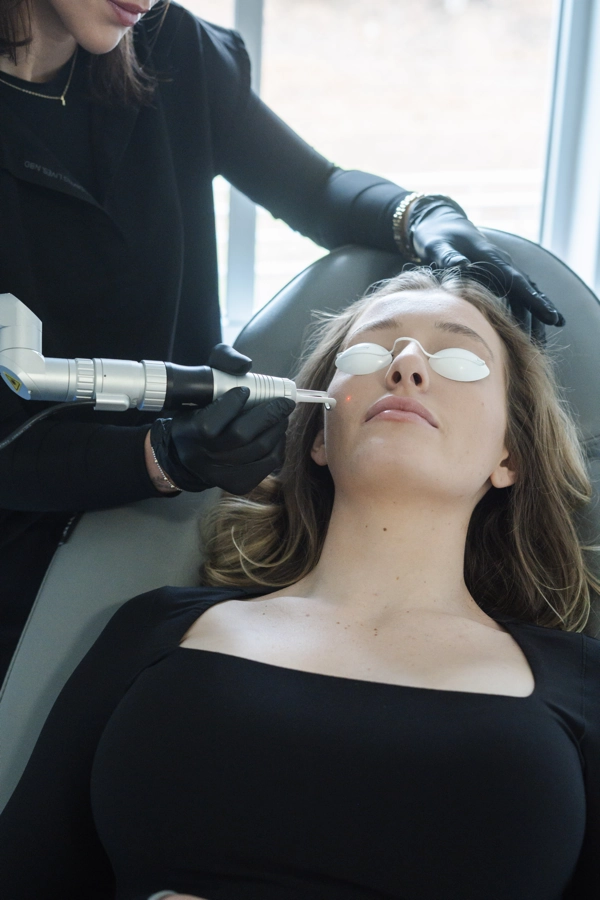
The holidays can be fun, but your skin may tell a different story once January arrives. Between late nights, changing routines, winter weather, and extra time indoors, you might notice dryness, dullness, breakouts, or increased sensitivity.
A New Year’s skin reset doesn’t mean replacing every product in your bathroom or booking several treatments at once. Sometimes, your skin needs a simpler routine and a little extra attention to hydration. Whether you want to address post-holiday dryness or improve your skincare habits, January is a good opportunity to reassess what your skin actually needs.
Quick Answer: How Do You Reset Your Skin in January?
A New Year’s skin reset starts with evaluating your skin’s current condition, simplifying your routine, restoring hydration, and protecting the skin barrier. Use a gentle cleanser, suitable moisturizer, and daily sunscreen before gradually introducing additional products. Professional facials or chemical peels may help with specific concerns, but treatment choices should depend on your skin type, sensitivity, and individual goals.
Start With a Simple Skin Assessment
Before purchasing new skincare products, take a closer look at how your skin feels and looks.
Your skin’s needs may have changed since the beginning of winter, particularly if you’ve been traveling, spending more time indoors, or using different products.
Start by identifying what concerns you most.
Look for signs of dryness
Dry skin may feel tight, rough, itchy, or uncomfortable.
You might notice flaky areas around your nose, cheeks, or forehead.
Sometimes, existing fine lines become more noticeable when the skin lacks moisture.
Pay attention to sensitivity
If products that previously worked well now cause burning or stinging, your skin may be irritated.
Redness, tenderness, and discomfort can also suggest that your current routine is too aggressive.
These signs deserve attention before introducing stronger ingredients.
Consider breakouts and congestion
Holiday travel, changes in skincare habits, and different environmental conditions may coincide with breakouts.
However, acne has several contributing factors, including hormones, genetics, and skincare products.
Avoid assuming that you need aggressive exfoliation simply because your skin looks congested.
Identify what is already working
Your January skincare reset doesn’t require starting from scratch.
If your cleanser, moisturizer, and sunscreen work well, keep them.
Focus on addressing actual concerns rather than replacing products because a new year has started.
How to Repair Dry or Dehydrated Winter Skin
Dryness is one of the most common skincare concerns during winter.
Even in Fort Mill, where winter temperatures are generally milder than in northern states, cooler weather and indoor heating can make the skin feel less comfortable.
Lower humidity can contribute to moisture loss, especially when combined with long, hot showers or harsh cleansing products.
Dry skin and dehydrated skin are different
Dry skin generally refers to skin that produces relatively little oil.
Dehydration refers to a lack of water within the skin.
Both conditions can contribute to tightness, roughness, and more noticeable fine lines.
Even oily skin can experience dehydration.
Choose a moisturizer suited to your skin
A lightweight lotion may work for some people, while others benefit from a richer cream during winter.
Look for ingredients such as:
- Glycerin: Helps attract water to the outer skin layers.
- Hyaluronic acid: Supports skin hydration.
- Ceramides: Help maintain the skin’s protective barrier.
- Petrolatum or dimethicone: Help reduce moisture loss.
- Shea butter: Can provide additional moisturizing benefits in suitable formulations.
The right moisturizer depends on your skin type and how your skin responds.
Apply moisturizer after cleansing
Moisturizer is often most effective when applied while the skin is still slightly damp.
This helps reduce water loss and keeps the skin feeling more comfortable.
If your face feels tight after washing, consider switching to a gentler cleanser.
Avoid very hot water, which can worsen dryness.
Consider your indoor environment
Heating systems can contribute to dry indoor air.
A clean, properly maintained humidifier may help some people manage winter-related dryness.
However, persistent cracking, painful irritation, or worsening dryness should be evaluated by a dermatologist.
When to Simplify Your Skincare Routine
One of the most useful things you can do during a skin reset is remove unnecessary steps.
Using more products doesn’t automatically produce better results.
In fact, combining several exfoliants, retinoids, or other active ingredients can increase irritation.
Start with the essentials
A simple routine may include:
Morning
- Gentle cleansing, as appropriate for your skin
- Moisturizer suited to your needs
- Broad-spectrum sunscreen with SPF 30 or higher
Evening
- Gentle cleansing to remove makeup, sunscreen, and buildup
- Moisturizer
- Any prescribed treatment used according to your clinician’s instructions
You don’t necessarily need multiple serums, exfoliating masks, and specialty creams.
Take a break from unnecessary exfoliation
If your skin feels irritated, consider pausing nonessential exfoliating products while it recovers.
However, don’t stop prescribed treatments without discussing the change with your healthcare provider.
Watch for signs of overdoing it
Your routine may need adjustment if you experience:
- Persistent redness
- Burning or stinging
- Increased flaking
- Unusual tightness
- Irritation after applying several products
- Skin that feels uncomfortable despite frequent moisturizing
These symptoms can have several causes, including allergies or underlying skin conditions.
If they continue, seek professional guidance rather than experimenting with additional products.
How Exfoliation Fits Into a New Year Skin Reset
Exfoliation removes dead cells from the outer surface of the skin.
When appropriate, it may help improve the appearance of rough texture and dullness.
However, exfoliation isn’t necessary for everyone, and too much can interfere with the skin barrier.
Physical versus chemical exfoliation
Physical exfoliation uses tools or textured products to remove surface cells.
Chemical exfoliation uses ingredients such as alpha hydroxy acids (AHAs) or beta hydroxy acids (BHAs).
Both methods can cause irritation when used incorrectly.
Your skin type, existing products, and sensitivity should guide your choice.
More exfoliation doesn’t mean better results
If your skin is already dry or flaky, aggressive exfoliation can make the problem worse.
For example, combining a strong exfoliating toner, retinol, and a facial scrub may create unnecessary irritation.
Instead, focus on moisturizing and allowing the skin to recover.
How often should you exfoliate?
There is no universal schedule.
Some people tolerate occasional gentle exfoliation, while others may need to avoid it during periods of sensitivity.
The appropriate frequency depends on the product, your skin condition, and other treatments you’re using.
If you’re unsure, ask a qualified skincare professional or dermatologist before adding exfoliating products to your routine.
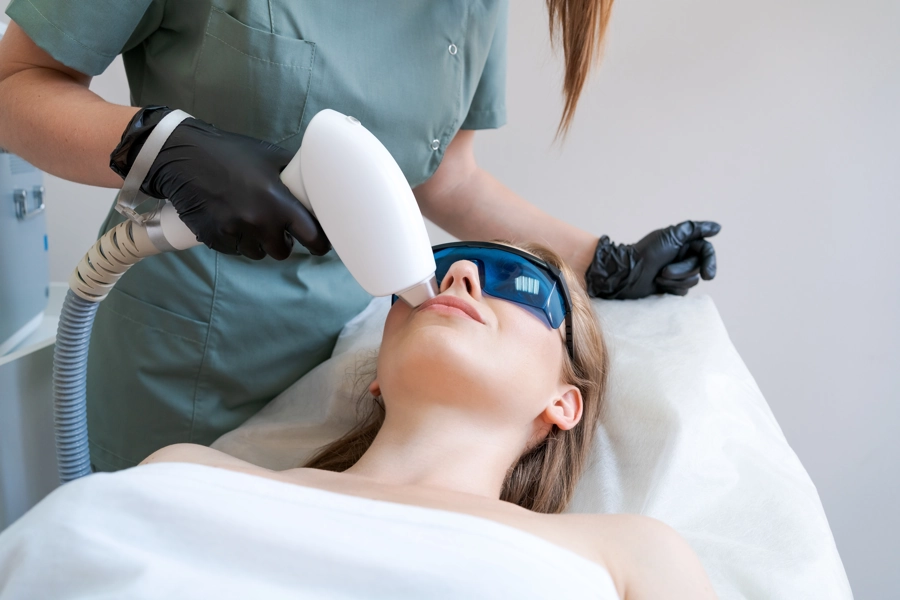
When a Chemical Peel May Be Worth Considering
A professional chemical peel may be an option if your main concerns involve uneven texture, dullness, certain pigmentation changes, or superficial signs of aging.
Chemical peels use selected solutions to exfoliate the skin in a controlled manner.
However, not every skin concern requires a peel.
When a peel may be helpful
Depending on the type of peel and your skin condition, treatment may improve the appearance of:
- Rough or uneven skin texture
- Certain dark spots or pigmentation concerns
- Dull-looking skin
- Some superficial fine lines
- Certain types of acne-related concerns
Results depend on the treatment’s strength, your skin, and the number of sessions recommended.
When you should wait
A chemical peel may not be appropriate when your skin is actively irritated, severely dry, sunburned, or affected by certain inflammatory conditions.
Your provider should also review medications, recent skincare treatments, and medical history before recommending a procedure.
Recovery depends on peel strength
Superficial chemical peels may involve redness or flaking for several days.
Medium and deeper peels require more extensive healing and aftercare.
Some procedures also carry risks of pigmentation changes, particularly for patients prone to post-inflammatory hyperpigmentation.
January can be a convenient time for certain treatments if you have fewer outdoor commitments, but winter weather doesn’t eliminate the need for sun protection.
A chemical peel should address a specific skin concern, not simply be part of a New Year’s resolution.
How to Support Skin Barrier Health
Your skin barrier is the outer protective layer that helps retain moisture and protect against environmental irritants.
When functioning properly, it helps keep your skin comfortable and hydrated.
If it becomes irritated or disrupted, you may experience dryness, tightness, redness, or sensitivity.
Use gentle products
Choose cleansers that remove dirt and makeup without leaving your skin feeling stripped.
Fragrance-free formulations may be helpful if you’re prone to irritation.
Avoid harsh scrubbing or washing your face more often than necessary.
Keep moisturizing consistent
Moisturizers containing ceramides, glycerin, and other supportive ingredients can help improve hydration and reduce water loss.
A richer cream may be appropriate during winter, particularly for dry skin.
Protect your skin from UV exposure
Even during January, ultraviolet radiation can damage the skin.
Daily broad-spectrum sunscreen with SPF 30 or higher remains an important part of your routine.
Use it as directed, along with shade and protective clothing when appropriate.
Allow irritated skin to recover
If your skin is reacting to too many products, adding another active ingredient may make matters worse.
Simplify your routine and avoid unnecessary exfoliation while the irritation is addressed.
For persistent burning, cracking, rash, or significant discomfort, consult a dermatologist.
Which Ingredients Should You Add Slowly?
Once your skin feels comfortable and your basic routine is working, you may want to introduce an ingredient targeting a particular concern.
The key is adding products gradually.
This helps you recognize whether a new ingredient agrees with your skin.
Retinol and other retinoids
Retinoids are commonly used to address certain acne concerns, uneven texture, and fine lines.
However, they can cause dryness, peeling, and irritation, especially when introduced too quickly.
Your provider may recommend starting with a lower-strength product and using it less frequently before gradually increasing use.
Retinoids should not be used during pregnancy. If you’re pregnant, planning pregnancy, or breastfeeding, discuss skincare ingredients with your healthcare provider.
Vitamin C
Topical vitamin C is used in some skincare products intended to address uneven tone and provide antioxidant support.
However, certain formulations may irritate sensitive skin.
Introduce one product at a time and choose a formulation appropriate for your skin.
Exfoliating acids
Glycolic acid, lactic acid, and salicylic acid are commonly used in exfoliating products.
They may help with certain texture or congestion concerns, but they aren’t necessary for every routine.
Using multiple exfoliating acids together can increase irritation.
Niacinamide
Niacinamide is included in many products designed to support the skin barrier and improve the appearance of uneven tone.
It is often well tolerated, although reactions remain possible.
Introduce one change at a time
When trying a new product, follow the manufacturer’s instructions and consider testing it on a small area first.
Give your skin time to respond before introducing another product.
If you experience persistent irritation, discontinue the nonprescription product and seek professional advice when needed.
How to Build a Realistic January Skincare Plan
A New Year’s skin reset works best when it’s manageable.
You don’t need to schedule a different treatment every week or purchase an entirely new skincare collection.
Instead, create a simple plan based on your current concerns.
Week 1: Review your routine
Take inventory of your existing products.
Identify which ones work well and which may be contributing to irritation.
Focus on gentle cleansing, moisturizing, and daily sun protection.
Week 2: Address hydration
Pay attention to whether your skin feels less tight or dry after using a consistent moisturizing routine.
If necessary, consider switching to a richer moisturizer suited to winter conditions.
Avoid adding strong exfoliating ingredients while your skin is irritated.
Week 3: Reassess your concerns
Once your skin feels more comfortable, determine whether you still want to address concerns such as uneven texture, acne, or pigmentation.
If your routine is working, there’s no reason to make additional changes.
If you’d like professional guidance, this may be a convenient time to schedule a consultation.
Week 4: Plan your next steps
Decide whether a carefully selected skincare ingredient or professional treatment would be helpful.
You may choose to introduce one new product, schedule a facial, or discuss other options with a qualified provider.
However, these weeks are only an example of how to organize your plan.
If your skin needs longer to recover, don’t rush the process just to meet a January deadline.
A realistic skin reset is one you can maintain throughout the year.
Professional Skin Treatments in Fort Mill
For Fort Mill residents, January can be a convenient opportunity to review skincare concerns after the holidays.
Cooler temperatures, indoor heating, changes in sleep schedules, and seasonal routines may affect how your skin feels.
However, not every concern requires an aesthetic procedure.
For some people, a gentler home routine and consistent moisturizing may be enough.
Others may benefit from a professional evaluation, particularly when concerns such as uneven texture, persistent dullness, or visible signs of aging remain.
A customized facial may be appropriate for hydration and surface care, while chemical peels or microneedling may be considered for other concerns.
The right treatment depends on your skin type, goals, and medical history.
Start Your New Year’s Skin Reset With Forever Young Aesthetics
At Forever Young Aesthetics, we help clients in Fort Mill, SC, and surrounding communities care for their skin through personalized aesthetic treatments.
We understand that the beginning of the year can be a good time to reassess your skincare goals, especially if your skin feels dry, dull, or sensitive after the holidays.
Our services include customized facials, chemical peels, microneedling, skin-brightening treatments, and other skin rejuvenation options.
During your consultation, we discuss your concerns, review your skincare goals, and help you explore suitable treatment options.
Whether you’re interested in improving hydration, refreshing your complexion, or creating a more consistent skincare routine, we can help you determine an appropriate approach.
You don’t need to change everything about your skin to begin the year feeling refreshed. Sometimes, choosing a few effective habits is the best place to start.
Contact Forever Young Aesthetics in Fort Mill, SC, to schedule a personalized skin consultation and explore your options for the new year.
FAQs About New Year’s Skin Resets
How do I reset my skin after the holidays?
Start by reviewing your current routine and identifying concerns such as dryness, irritation, or breakouts. Focus on gentle cleansing, moisturizing, and daily sunscreen. Introduce additional products gradually rather than changing everything at once.
How long does a skin reset take?
There is no fixed timeline. Mild dryness may improve relatively quickly with consistent moisturizing, while irritation or other skin concerns may need more time. Persistent symptoms should be evaluated by a healthcare professional.
Should I stop using all my skincare products in January?
No. If your existing products are working well, you can continue using them. Consider simplifying your routine only when products are unnecessary, irritating, or unsuitable for your current skin condition.
Is exfoliating good for dry winter skin?
Not always. Exfoliation may improve rough texture for some people, but it can worsen dryness and irritation when the skin barrier is already compromised. Moisturizing and gentle cleansing should take priority when your skin is irritated.
Is January a good time for a chemical peel?
January may be convenient for some patients, particularly those with fewer outdoor activities. However, treatment suitability depends on your skin condition and the peel’s recovery requirements. Sun protection remains necessary throughout winter.
Can a facial help with post-holiday dullness?
A customized facial may temporarily improve the appearance of dryness, dullness, and surface buildup. However, results vary, and a facial cannot correct every underlying skin concern.
Should I introduce retinol during a skin reset?
Retinol may help with certain skin concerns, but it can also cause irritation. If your skin is currently dry or sensitive, address those issues first and discuss whether a retinoid is appropriate. Retinoids should not be used during pregnancy.
Do I need professional skincare treatments for a New Year’s skin reset?
Not necessarily. Many people can support their skin with a consistent home routine. Professional treatments may be useful when you have specific concerns that aren’t adequately addressed through everyday skincare.
How do I maintain my results after January?
Continue using suitable skincare products, moisturize consistently, and protect your skin from sunlight. Reevaluate your routine when your skin’s needs change rather than adding new treatments unnecessarily.